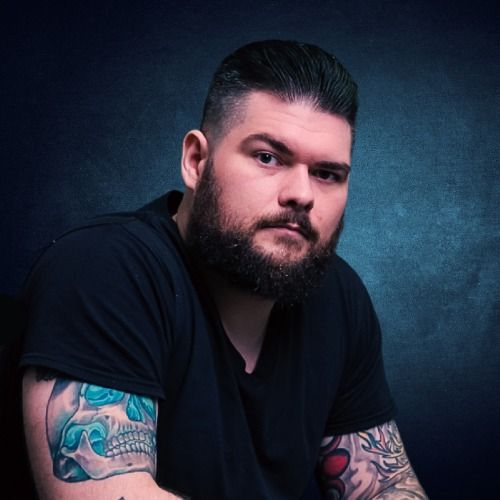
Episode 47
#47 - Brian Helfman: Building a Thriving Business (Without a Big Audience)
Brian Helfman is the Founder and Chief Experience Officer at Third Nature, where he has spent the last 10 years designing and facilitating shared experiences that help people be more engaged and fulfilled in all aspects of their lives. In this episode, we dive into the power of in-person communities, why human connection matters now more than ever (and why it feels so rare), how B2C "adult summer camps" have been the biggest driver of B2B engagements, and so much more.
—
CONNECT WITH BRIAN HELFMAN:
Third Nature website: https://www.third-nature.com/
LinkedIn: https://www.linkedin.com/in/brianhelfman/
Substack: https://brianhelfman.substack.com/
—
SUBSCRIBE TO THE NEWSLETTER:
Subscribe to the Creator Alchemy Newsletter for exclusive content and unlock the Psychology of Success Masterclass for free.
Go to https://www.creatoralchemy.com/
—
JOIN THE COMMUNITY:
The Creator Alchemy Lab is a community for ambitious creators taking bold action to transform their businesses, their lives, and themselves.
Go to https://www.creatoralchemy.com/lab now to join.
—
SOCIAL LINKS:
Website: https://coreywilkspsyd.com/
YouTube: https://www.youtube.com/@coreywilkspsyd
Substack: https://substack.com/@coreywilkspsyd
LinkedIn: https://www.linkedin.com/in/coreywilkspsyd/
Twitter: https://x.com/CoreyWilksPsyD
Instagram: https://www.instagram.com/coreywilkspsyd/
Disclaimers: The content provided is for educational, informational, and entertainment purposes only. Nothing here constitutes personal or professional consultation, treatment, diagnosis, or creates a professional-client relationship.
Transcript
Explain to me why third nature exists.
Brian Helfman (:Hmm. I love that question.
And there are two ways I can answer that. One, I'll start with just kind of the state of the world and the cultural context that we're living in that I think makes it so that third nature.
I don't want to say must exist or needs to exist, right? You know, I don't have that kind of ego around it, but ⁓ why I think people benefit from it and
That cultural context is a state of disconnection. I think in a lot of ways, the world is systemically and structurally disconnected. When you look at how we live, very separate from each other, from nature. ⁓ How we connect, largely through digital platforms, through social media. ⁓ The decline of religious attendance, club participation.
the village as we used to experience it in the not so distant past, ⁓ there are countless macro factors that make it so that a lot of people are not feeling connected. And when we talk about connection within the context of third nature, we talk about connection to others, obviously connecting with other humans, but also connection to the natural world or
whatever container you're a part of. So how connected you feel to your place of work, how connected you feel to your school, how connected you feel to your community. And then how connected you feel to yourself, your own individual wisdom, creativity, strengths. ⁓ And I think I consider these pillars of connection because they all hold each other up.
If you're lacking in one area, it's very likely that the other areas will suffer as well. And when you improve in one area, when you feel more connected to yourself, it's very likely that you'll then feel more connected with others and the world at large as well. And vice versa, right? Strengthening one strengthens all three. And that's what we do at Third Nature. We create experiences often in nature, but we also host workshops on Zoom. ⁓
We have an adult summer camp weekend in upstate New York. We do team development workshops for other organizations, ⁓ leadership and facilitator trainings to help people in positions of power create more connected and valuable experiences for their people. ⁓ And all of this, again, is to help people feel more connected in all areas of their lives. So that's...
why Third Nature exists. There's the cultural context around it. And then there's my own personal story because I am the founder of Third Nature. And it exists because frankly, I wanted it to. ⁓ Because my own lived experience led me to experimenting with a lot of different ideas. And ultimately this being the idea that really stuck and the idea that
I wanna continue building for the rest of my life. But my story really starts with, I mean, I can talk about how I watched my dad live and work. I could talk about how, you know, I was raised with this idea that work is a means to an end. It's a game we play.
And the winners are the ones who are able to acquire the most financial security, the most resources for their effort in exchange for their effort. And if and when you do win, when you've acquired enough, then you get to, you know, if you're lucky, enjoy the back nine of your life. My dad was a big golfer and he,
worked in a family business in the Garment Center in New York City. And for most of my childhood was up at 5 a.m. every morning commuting to work in the city. We lived in a suburb of New York City out on Long Island. And I'm grateful that he was home for dinner most nights. But he spent the prime hours of the prime years of his life.
working a job that he definitely didn't love. But again, that wasn't his mindset. His mindset wasn't to love your work or to be passionate about your work. was work is something that we all have to do and it's a means to an end. It's a means to acquiring as much financial security as we can in as short a time as we can so that we can then enjoy our lives, maybe nights and weekends and in retirement.
And unfortunately, my dad never really got to enjoy his retirement. He ⁓ was diagnosed with cancer around age 50 and passed away at age 55. For me, I was 23 years old when that happened. And when I saw that, how he lived, worked and died, it was kind of this
You know, his death especially was this worldview shattering event. And I slowly started to figure out for myself how to build a career, do work that, yes, earns money, right? Money is important. Money is a tool that we can use to live the life that we want to live.
⁓ But I knew from that moment on I wanted to do meaningful work, work that allowed me to utilize my unique strengths, personality, ⁓ experience, wisdom, creativity, all of those tools that I had earned through my unique one-of-one lived experience that everyone on the planet has.
you know, that version for themselves.
utilize that in my work and build something where the effort I put in yields compounding value year after year, where I'm creating value for others, yes, but also hopefully the planet at large and ⁓ myself and my family. So that ⁓
again was the catalyst that set me on this more entrepreneurial path that ultimately led to third nature existing.
Corey Wilks, Psy.D. (:So before you came up with third nature, what other things did you explore and experiment with business wise?
Brian Helfman (:So my first business was called Tabs and it was a venue search engine similar to Yelp but without crowdsourcing. So this was an idea I had again when I was 23. Actually had the idea before my dad died and when he died I was like, all right, I was working in ad sales at CBS in New York City, traditional corporate ad sales job. And after a few months,
I was in that job for like a year and a half. My dad dies, you know, took like a week off for the funeral and then went back to work, but was completely uninterested after that. I was kind of like just going through the motions, planning my exit strategy. And I had this business idea that I never, you know, there was no real sense of urgency to
do anything with it, was just like a nice to have idea in the back of my mind. But again, my dad's death kind of created this sense of urgency in me to find more meaningful work and build a life I love in the limited time that I have. while at that job, I, you know, and collecting a paycheck, I started taking
more active measures to start building that business. I formalized a relationship with my co-founder. We brought on a CTO. I actually, when I first left my job at CBS, I went and took a job as a ski instructor in Colorado for a winter while building this business on the side. That was just really fun. Kind of like a little working sabbatical where I ended up making like just as much money that I was making.
at CBS, ⁓ came back and took another corporate job for like nine months. And so I'm sharing this to illustrate to people that, you know, even when I decided I want to build this thing, it took probably a year and a half until I was able to go full time with that thing. ⁓
So built that business for about three years. It required a lot of outside capital. was, ⁓ know, we built a mobile app. We had a tech team, a dev team of like six engineers, me, my co-founder who was a graphic designer, and then a bunch of interns helping us collect and curate content in the form of
insider notes and photos. ⁓ If anyone's familiar with infatuation, it was kind of similar to what they do, but most people are familiar with Yelp, so I say Yelp without crowdsourcing. ⁓ Anyway, had some success with that, but the best thing that came from that business was I found myself starting to gravitate towards other entrepreneurs, other non-traditional pathfinders. And I found that
A lot of us were lacking community, feeling disconnected in our existing communities and misunderstood by the people that have known us for years. You know, what are you doing and why are you doing it kind of vibes? And so I had this idea while building tabs, my first business, I was like three years into that business. And I had this idea, what if we brought.
a group of entrepreneurs from New York City to Costa Rica for a week for a community oriented experience in the jungle. I had had a few ⁓ travel experiences during and shortly after college where I felt like I was able to really meaningfully connect with the people I was traveling with, even if we went into that experience as strangers. So I thought, what better way to build community among entrepreneurs than through travel.
And in trying to get that first trip off the ground, we realized that early stage entrepreneurs like us often didn't have the time or money to spend a week in Costa Rica. So we pivoted to an alternative spring break program for college entrepreneurs, because all college students have a built-in spring break week. There's this kind of safety net of being a college student, even if you have loans and you have a
job, ⁓ you're kind of in this temporary bubble where, frankly, you probably have ⁓ some time outside of your classes or even in class where you can build something. ⁓ And we started forming partnerships with entrepreneurial ⁓ institutions or institutions of higher education who had entrepreneurship schools or
That first trip was in March: mber that first trip in March:who somehow were convinced to join us for this, you know, pilot program that we had no experience doing. But, you know, sold them with our conviction and our passion and our ideas. I think halfway through that week, I was like, okay, this is the kind of work I want to do for the rest of my life. And in retrospect, I can think of that, you know, what is that kind of work? It's experience design, it's facilitation, it's community building.
I don't know if I was even using those words and phrases at the time. I was just doing something that I was compelled to do. I felt like I was serving a need that I saw ⁓ among my peers, among the previous generation or people only slightly younger than me. And through doing it, through that experimentation, I kind of stumbled into my life's work.
tup Island to Third Nature in: Corey Wilks, Psy.D. (:So then walk me through the rebrand and if there were any pivots.
Brian Helfman (:Yeah, so even since kind of stumbling into my life's work, it's been a series of ongoing experiments and pivots. So when we got back from that first spring break trip in Costa Rica in March 2016, we were like, okay, now let's try to do something for people our age, our peers, but let's make it a little more accessible, lower price point.
Camp came to be. So in August:you know, different schools around the country have different spring break weeks. So we got to just hang out in Costa Rica, not just hang out. I mean, it was hard work, but be in Costa Rica for six weeks every year. And a group would come in for a week. They would leave. The next group would come in and we would run this program out of a beautiful retreat property outside La Fortuna, Costa Rica. At the same time, we also scaled up our adult summer camp weekends and started doing
⁓ more B2B programming as well. Individuals who would come to Startup Island, Spring Break or Startup Island, Summer Camp. Again, entrepreneurial minded individuals who were building businesses of their own or working at a small but growing startups. A lot of them got to the point where they were in leadership roles at companies who wanted to do retreats of their own. ⁓
or bring in outside facilitators for team development workshops, team building experiences, leadership training. And we started getting inbound demand for this. So we were like, cool. ⁓ Maybe there's something here as well. And that very quickly became the highest ROI work that we did ⁓ was the B2B stuff. So when COVID hit, we're in Costa Rica.
with a group of students. Our second trip of five, and we ultimately didn't get to do weeks three, four, and five, because as we all know, in mid-March, give or take a few days, depending where in the world you were,
or where in the US you were, because obviously it hit China months earlier. yeah, we were in Costa Rica with a bunch of students who came thinking they were just going to Costa Rica for a week and then going back to campus and life as they knew it. ⁓ But all those students at some point during that week got an email that school was being shut down, basically.
A lot of those students couldn't even go back to campus. They were like rerouting flights home. So that was a crazy time. And, ⁓ we very quickly pivoted to virtual programming. were like, all right, we still want to serve our community, our audience of entrepreneurial minded college students and young at heart professionals that we had been serving through the adult summer camp weekends. And
you know, how can we keep our community connected during this time? So we started rolling out a lot of virtual programming. ⁓ and that was nice. You know, everyone was doing it at the time, but we quickly realized that, you know, eventually the world's not going back to normal. will be a new normal, but eventually we'll be able to connect in person again. And as we move more into the digital world,
I want to be the organization that continues to champion connecting in real life, bringing people together in person. I like to zig when others zag, right? And I think there will always be an appetite for that. And I would argue, especially as we spend more and more time in the digital world, the value of in-person experiences only increases. So, but we decided let's use this time to kind of
re-evaluate how we're spending our time ⁓ when we are able to bring ⁓ everything that we used to do back. Let's not just keep doing what we were doing. Let's meet the evolving demands of our community in the world. ⁓ And the Spring Break program, frankly, was always very low return on our time.
⁓ It was a lot of time and energy year round putting those programs together, navigating those partnerships with universities and. ⁓
amp, I think in the summer of:easier to pull off, ⁓ much higher scalability in the sense that at an adult summer camp weekend in upstate New York, you can bring together a lot more people than you can for a week long retreat in Costa Rica, just logistically. ⁓ So we saw that we could do a lot more volume with the summer camp weekends. And then we
The big shift was we wanted to really lean into B2B programming, which again, was always the highest return on our time. ⁓ And especially with the shift that a lot of companies were experiencing and undergoing towards more remote work and hybrid work, we thought we could even better serve organizations who were having a hard time keeping their people connected given this drastic shift in
how we work that COVID brought. And with all that, the name Startup Island just, and even before COVID, we had been thinking about rebranding because we started to expand outside of just startup folks. And, you know, for those listening at home, you might realize Costa Rica isn't even an island. ⁓ It was kind of like we were going for the exotic like brand association there, but the island piece never really made sense.
So COVID really gave us the opportunity to kind of go into temporary hibernation, go through a rebrand process. We landed on Third Nature as a name that just better exemplifies and embodies what we, like the why behind what we do. ⁓ And I could talk more about that, but it felt like a brand that gave us more creative freedom to expand and grow.
in ways that we may not have been able to anticipate at the time, whereas Startup Island had kind of hamstrung us as we had ideas that didn't really make sense given the brand name. So for all those reasons, we went through the rebrand and ⁓ yeah, Third Nature just feels like a much, even though a lot of people say like literally they miss Startup Island.
you know, maybe the startup folks, the people who were on those ⁓ spring break trips in Costa Rica, I think for most people, Third Nature creates a more accurate association, ⁓ you know, precise to what we actually do.
Corey Wilks, Psy.D. (:a start of islands sounds like a reality show, which could be fun.
Brian Helfman (:Yeah, a lot
of people would say like, does anyone get voted off the island? Yeah, we got that a lot too. And yes, probably would have been fun. And maybe someone else out there wants to build that.
Corey Wilks, Psy.D. (:So explained. Okay. So you have like a background in like sales and ads and things, right? But now you have a company who's at least one of your like major arms is B2B and you're doing like leadership trainings and also the shit. How do you go from what you were doing to what you are doing? Like you're like,
I mean, technically you like, could call yourself, like you could say you have leadership experience, you know, whatever, but a lot of people really shrug with like imposter syndrome. You're like, who am I to do this? I don't, I wasn't a big time CEO or I don't have a doctorate in leadership education or some shit. How did you get to what you're currently offering specifically in the B2B space?
Brian Helfman (:Yeah, great question. I would say it has nothing to do with my background in ad sales. even, you know, I went to University of Michigan, went through their undergraduate school of business and I could make up a story of like how that, and there probably are real lessons that I learned from that experience that companies would, you know,
lessons that would resonate with companies and exemplify why.
I might have the credibility that they're looking for to facilitate our leadership training for them, but between us, that would be bullshit. The truth is, again, I didn't go into the Startup Island experience thinking I want to build out a leadership training program.
I think through the Startup Island experience and through all my entrepreneurial experience, I have found myself in leadership roles, right? With small teams first, ⁓ but then leading pretty large groups. know, at Third Nature Summer Camp, we have up to 120 people. And I am the head counselor, ⁓ the lead facilitator.
managing a team of facilitators who are all leading workshops and setting the tone, ⁓ cultivating psychological safety for participants, really making them feel safe within my care. ⁓ So it's through the dozens, if not hundreds of retreats that I've led over the last 10 years that I've built
unique, I think, leadership skills that are different from the traditional leadership skills that are taught ⁓ or experienced by executives when they go through a traditional leadership training. ⁓ And I think a lot of companies, once they look under the hood and see our experience, our unique experience, and then how it
how that lends itself to our leadership trainings. like, this is different, right? There are plenty of people offering leadership training out there. I don't wanna compete with them in what they're clearly better than me and more qualified than me in, you know? ⁓ It's third nature leadership. It's a different kind of leadership. And again, it's about all those things I just mentioned. It's about...
making the people that you're bringing together feel cared for and safe within your care, right? That's not how a lot of companies are thinking about leadership, but that's how we think about it. We think about it as creating experiences that unlock the individual and collective wisdom of your people. Again, a lot of companies, it's like this top-down hierarchy, this stage-on-the-stage model where the CEO
you know, crafts the vision and everyone else falls in line and executes orders. That's not, and you know, some companies are built that way and probably succeed that way. We're interested in working with companies who are hiring really smart, capable people and want to unleash them and want to, and understand that, you know, we're facing emergent
challenges that there are no answers for and the way to meet those challenges is by unlocking the collective wisdom of the people you're bringing together. ⁓ So these are all things that we do at Third Nature Summer Camp and it's really about distilling the lessons that I've learned and our leadership team has learned through experience and taking them to arenas where that's not
typically how they do things, but they can benefit from these ideas and maybe doing things a little different.
Corey Wilks, Psy.D. (:So then how do people come across you and your work? Because, you know, the big thing now is, you use social media, go viral, grow like a super big audience. You both personally, but also third nature don't have a lot of social media followers currently. So how are you either reaching out to people or how do people find you for everything that you all offer?
Brian Helfman (:90 % of our corporate leads have come from people who have been to a third nature, like open enrollment experience, like summer camp. So people come to camp on the feedback form after the weekend is over. One of the questions we ask is, would you like to bring a third nature style experience to your company? Workshop or treat training? The people who say yes, we follow up with them. And that's where 90 % of our corporate leads have come from.
So again, it's creating an experience for individuals and trusting that, but also seeing that over the years, lot of the individuals who participate in those experiences have really cool jobs and like are in positions of leadership at the kinds of companies that we want to serve. ⁓ So in a way, Summer Camp has kind of served as a funnel to our B2B offerings.
Um, the other thing I will say is yes, I, third nature, we don't have a big following on any platform, but LinkedIn, I think I have like 4,600 connections, followers, whatever you want to call it. And. You know, I'll post something related to the work we do for organizations.
And I'll get comments from people in HR, from people who work with people, right? Like head of people, head of culture, head of community at companies that we could serve. ⁓ You know, I think sometimes you could post something and I think it is especially true on LinkedIn. ⁓ If you're in a, ⁓ if you're serving other businesses.
You know, you could post something that gets 10 likes and five comments, but one of those comments could be your next client. It's the kind of platform where you don't really, I mean, obviously you could benefit from wider reach, but you don't need it to generate leads. And that's been my experience.
Corey Wilks, Psy.D. (:love that. So then going back a step, if a lot of your like B2B stuff comes from B2C, then the question becomes, how do those individuals come across you and what you offer?
Brian Helfman (:Mm, yes.
So it started small. Like in:I would, we would not be having this conversation. I would not be in this business. Like I can almost definitively say that. And I, I tell Ben this every time I talk to him and he's like, no, no, it was all you. And I'm like, maybe like, yeah, after, but like you believed in us from the start. And so he was the president of the entrepreneurship club at Northeastern. And that first trip out of those 16 students, think 11 were from Northeastern. He just loved the idea. And
advocated for us and he was on that first trip and he was influential on campus and ⁓ convinced 10 other students, 10 of his peers to come with him on that first startup island spring break. And if it weren't for him, that first trip probably wouldn't have happened. And then, you know, I would have moved on to another idea or just, you know, kept building that first business or
there might've been another business or I might've had to go back to corporate, who knows? ⁓ But then, you know, things started to snowball. So I think, you know, in the beginning, it's often a lot of cold outreach, but the outreach can get warmer the more you provide value to those people. So after that first trip, now we have 16 students going back to a few different universities raving about the amazing life-changing experience they had.
And it just started slowly snowballing from there. Ben introduced us to Becca at the University of Delaware, which became another one of our strong partner universities. ⁓ Some of the students who were on those first spring break trips graduated, came to our summer camp weekends, moved to New York City or Boston, made their own friends in their new cities, utilizing a lot of the tools.
and awareness that they gained at Startup Island summer camp or spring break brought their friends to spring break or camp the following year. ⁓ I mentioned the first Startup Island spring break with 16 students. The first Startup Island summer camp was 13 entrepreneurs, 13 of our peers. And again, just snowballed from there. ⁓
So, and it's slow growth. And I think a big part of what's made us successful is our ability to be patient and willing to succeed slow. A willingness to give ourselves the time and experience necessary to cultivate
the skills and strengths to provide even more valuable experiences over time ⁓ and not needing it to be a quick hit. So yeah, does that answer your question? I kind of forgot the initial question.
Corey Wilks, Psy.D. (:Yeah, yeah. I like that, because...
you, you are quote unquote, winning without a real content strategy. And that is such a prevalent thing now, because you know, content can can go all over the world. It's a reasonably ⁓ low monetary investment way to scale. And you know, the most people think that is the only way to grow.
is you have to go viral. You have to build a big audience. You have to just put out more and more content, you know, omni channel content marketing kind of thing of you've got to do the reels and the shorts and the blog articles, the newsletter, the LinkedIn posts, all this other shit and all that can work for sure. But, and it isn't that you all don't do some of those things, but you don't, you don't over index on
And that's what I want to kind of highlight is the majority of your old growth has come because you do great work, not because you're great marketers and like
Brian Helfman (:Yes. In
fact, I would say almost in spite of the fact that we're not good marketers.
Corey Wilks, Psy.D. (:But, but that's what, that's what I to highlight. Like so much, I'll put it this way because you know, writing in books are top of mind for me because I'm in the process of, you know, write my own book and you, as part of that, you end up having to learn a lot about just the book publishing industry, both traditional self published hybrid, all that other shit. And, you know, I've talked to, uh, some
literary agents and editors and things. And what I keep and I've read a lot on it. And the answer I keep getting effectively is nobody cares how good your, your idea or your product is. They care about how large your audience is. And that also shows why you can walk into a bookstore sometimes and look at some of the books. You're like, how the fuck did anybody publish this?
Like this is such a bad book. How is it a New York times bestseller? How is it sold a hundred thousand copies? Cause when I read it, not even the like, it isn't for me, like I'm not the target demographic. It's this is a shitty book. And it's like, well, look at the person who wrote it, assuming they even wrote it, assuming they didn't even have a ghostwriter, right? But look at who wrote it. Are they a celebrity? If they are, that is why somebody paid them seven figures to write or have a book ghostwritten for them.
Brian Helfman (:Yeah.
Yeah.
Corey Wilks, Psy.D. (:on a topic that is terrible. The writing is terrible. It's purely because they're a good marketer. They have a big audience. So when, you know, when you, when you find people who they actually aren't good at marketing, they actually don't have a big audience yet their service, their product, their business continues to grow. That to me, most of the time is proof like, they've got some really good shit here because it's growing even though they don't have all those other assets.
Brian Helfman (:Mm-hmm.
Mm-hmm. Yeah. And obviously, when I see, you know, my experience of that, I'm a writer too. I would love to publish a book one day, but ⁓ I experience what you experience in a bookstore, like seeing other writers and books that frankly aren't very good, but have become New York Times bestsellers.
I see all the time other retreats pop up where it's like someone, some influencers doing their first retreat and they sell out 500 tickets in like a week. And I'm like, well, fuck. Like if I had their following, like it'd be game over, you know? Like my life would be so much easier. ⁓ But a lot of them, probably most of them,
You know, maybe they'll do one retreat, maybe they'll do two, maybe they'll do three. But over time, they're like, fuck, this is hard. And the feedback's probably not that great. And I know some people who have been to these retreats run by influencers where there are hundreds of people there. And, you know, it's like a conference in nature. You know, people aren't connecting the same way they are at Third Nature Summer Camp. And
You know, the people run it aren't professionals at running retreats. They're professional influencers, right? They're professional marketers. And the experience shows, right? It's like, it's like probably for you reading a bad book. ⁓ So I trust that in time, the best products, the best experiences will win out. ⁓ But
Would I love to have a million followers on Instagram? Sure. that would, so for me, it's like, ⁓ first and foremost, I'm focused on continuously improving our product, which is experiences, bringing people together, growing as an experienced designer, facilitator and community builder myself, partnering with other people in this space who I admire and where we can learn from each other and co-create.
awesome experiences for others. And yes, I have a newsletter that I send every other week. I try to post some LinkedIn at least once a week. Instagram, just despise the time I spend on that platform. So try to use it as sparingly as possible, but have had, usually we'll have like a social media manager who's just someone who's been on a lot of third nature. And she goes back to the startup Island days.
She's been on a lot of our retreats, she gets it, and she doesn't mind spending time on social media, especially working with our content, which is mostly like video footage from past retreats and participant interviews, testimonials, people raving about the experience, and it photographs well, right? It's, you know, retreats in nature. ⁓ So usually in the lead up to the summer, our high season, she'll be posting more on Instagram.
And yes, our following has grown slowly and that's been helpful, but you're right. It's not ⁓ why we've been successful. And so many people are like, you should be posting more. You should be, you know, have more of a content strategy. And I'm like, yeah, you're probably right. But like, it's not.
my strong suit and I'm big on, know, grow in the areas you're already good. Turn strengths into superpowers. Sure, you can focus on improving in areas you're weak, but if that's your thing, you know, turning weaknesses into strengths, it's very likely that you'll get beat. Other people who are naturally strong in those areas and are working just as hard as you, you'll never catch up to them.
Whereas if you work hard to improve in areas you're already strong, that's where, and can provide a service that leverages those strengths the most, you know, that's how you'll be successful.
Corey Wilks, Psy.D. (:agreed. And with the whole word of mouth growing your business for you effectively.
So when I was in college, you know, I was, was in a fraternity. went, you know, pretty hard into like leadership trainings and things. She's like, I don't drink. haven't drank since like high school. So when I joined a fraternity, it wasn't to like pick up chicks and get drunk and shit. ⁓ for me, it was very much like, how do I become a better leader? How do I become a better person? Also shit. And
Brian Helfman (:Yeah.
Corey Wilks, Psy.D. (:You know, I, I held every office in my fraternity except finance. like president, executive vice president, membership, recruitment programs, all of this shit, ⁓ was active in like the Greek affairs, like the college level Greek life was also active at like the national level of both my fraternity and like the inner fraternity council and ship. I was big into leadership and I still am. just honestly don't write about leadership a whole lot, even though I still love leadership and
A part of that is you, you do a lot of leadership trainings. go to like leadership conferences and things. And the issue I saw both there and I continue to see on like the online space also is when the event is going on, you know, the host is super charismatic. You're all hyped up. Everybody's super engaged. And then, and you're like, this is amazing. And this is usually when people like, Hey, can we get a testimonial real quick while your energy super high.
Brian Helfman (:Yeah.
Corey Wilks, Psy.D. (:And like, yeah, sure. This is the best fucking thing ever. Like, my God, can't. And then you leave that all that, like the shiny, like luster wears off and you look back here, like, fuck, I didn't actually learn anything. Like it was just a bunch of like hype and empty calories and excitement, but I didn't actually walk away better or in any way change. didn't walk away with more insights, more
strategies that I can continue to apply for the rest of my life. I didn't even necessarily really get a lot of good connections because all looking back, I thought I formed a connection, but in the last year, I haven't talked to that person once, right? Cause all of that motivation and excitement, enthusiasm kind of fates. And they're like, ⁓ fuck that actually wasn't that great. So then when people are like, Hey, would you recommend this? No, like I was all right, but not really. Right.
you all don't seem to have that issue. Why?
Brian Helfman (:It's a great question and I've definitely experienced that too where you go to a conference or any sort of event and it's a lot of hype and energy but
Yeah, the experience itself doesn't really provide any lasting benefit or life-altering lesson.
And I want to think about this question a little bit.
I would say...
You know, one thing that I think.
has benefited us over the years is we're pretty obsessive about gathering feedback. literally asking people, not just after an experience is over, but during an experience to reflect on their learnings. What did you learn from that exercise we just did? ⁓ nothing? Okay, we need to retool this a little bit. you learned that? I wasn't expecting that you'd learn that, but maybe we can...
designed for that now that I know that's what people are getting from this and you know, we can really lean into that and make that more explicit. So yeah, I would say a lot of people, you know, after an experience, you'll get an email that says like, what did you think? And it's like a frown, ⁓ a straight face and a smile.
And it's like, that doesn't tell the facilitator anything. We get feedback on every aspect of every experience that we facilitate. So at camp, for example, there's like a short form that everyone can fill out to just kind of give us like the high level stats of their experience. One to 10, how much did you enjoy? One to 10, how much value did you get? ⁓ One to 10, what did you think of the people?
And a couple other questions. One of those questions is, again, would you like to bring a third nature style experience to your organization? But then we incentivize people to fill out a deep dive. We'll offer $50 in third nature credits for anyone who fills out the deep dive feedback form. And it's also just, think we encourage it as a way to reflect on your experience.
and cement the learnings a little more. So it actually has this, you know, two-sided effect where it helps us continue to improve on the experiences that we provide and make it so that we're providing lasting value. But also it helps people soak up that lasting value because it's an opportunity for them to reflect more deeply on the experience. So for people who fill out the deep dive feedback form, they go through literally
every workshop, every session, every, know, activity that we facilitated, that we offered that they participated in, give it a one to five rating and comments and, you know, meals, ⁓ the facilitation itself. And we learned so much from this and we make improvements based on those learnings. And we do this with our B2B programming as well.
We're really intentional with asking the client upfront for feedback. ⁓ So it's not like after the experience is over, by the way, we'd love to hear your thoughts. They already have it in mind that, you know, we're open to feedback. We want feedback before the experience even starts. So there, and I think that probably has an effect where like they're paying closer attention during the experience.
And then they know afterwards we're open to any and all feedback, positive, negative, everything in between. It's usually more nuanced than just good or bad, right? So that's a big thing. And then...
I think it's like just knowing that, you know, I think a lot of those conferences or events, leadership trainings that you mentioned that feel really good in the moment, give you some momentum, some energy, a little jolt of inspiration, but don't provide much lasting value or connections. I wonder if a lot of those are selling something else where it's like,
They wanna get you in the room, get you all hyped up so they can sell you something that's not the thing that you're there to experience. For us, like...
All I want to do is provide as much value as I can through the experiences that we design and facilitate. It's not like, come to this so that I can sell you this toothbrush or this, you know, life planner or... And again, like obviously, as you mentioned earlier and as I've alluded to throughout this conversation, like, yeah, we...
look at, well, our B2C stuff has served as a funnel to the B2B stuff, but that's not like the purpose of it. Does that make sense? It's not like the purpose of Third Nature Summer Camp is to sell leadership trainings to the people who come to camp, you know, their companies. The purpose first and foremost is to provide value. And then it was like, ⁓ the people who are getting value from this want
us to come in and do something similar for their organizations. But we're still trying to provide as much value as we can through both of those experiences. And it's not like there's no ulterior motive where it's like, let's get people all inspired. ⁓ But also maybe like kind of lacking so that we can manipulate them into buying this other thing.
Corey Wilks, Psy.D. (:Yeah, I think some people sell inspiration, others sell transformation. And I think there's a, there's a key distinction there, right? Like so many people and, they may market that they provide transformation, but they're just giving you inspiration, right? Cause again, like you feel super. And that's why I one of my sort of rules in life is, ⁓ never say yes in the moment. So like default to no.
Brian Helfman (:Yeah.
Mm-hmm.
Corey Wilks, Psy.D. (:So anytime someone's like, Hey, do you want to do this or like, Hey, can you do this? My answer, unless like, again, unless I've thought about it before, but if it's in that moment, my answer is, is almost always, I got to think about it or let me get back to you because that, so, talking about New York city. So a quick tangent. ⁓ I went to New York city a while back and I had a very, ⁓
quintessential New York city experience where I went to central park and, ⁓ got hustled basically.
I, we went walking through like central park and things and there were these monks. I'm like, Oh, you know, I've studied Buddhism. Monks are super cool. Let me just, let me learn about them. They're like, Oh, you know, we're, raising money to repair our temple. Here's a picture of our temple. Here is this, uh, book of all the people who've donated money to it. Like everybody's written their names. It's like, so cool. They're like, yeah, you know, here's this really shiny thing.
camera will.
Brian Helfman (:yeah, work smoothly.
Corey Wilks, Psy.D. (:it works smoothly
lifetime piece, whatever. ⁓ it's, yeah. And they're like, thank you so much. Like here's something shiny. was like, this is cool. This is just like a nice little token. Awesome. They're like, here's a bracelet, you know, and then they fucking put it on me and shit. I'm like, this is so cool. Like I don't really wear jewelry, but like, I like monk shit. Like this is fucking cool. Okay. I like all $20. I'm like, what? I like donation $20.
Brian Helfman (:All right. Yeah.
Yeah.
Corey Wilks, Psy.D. (:And then I was trying to talk to them, they're like, no, English, $20. And I'm like, you mother and like, I got so caught up in the moment of like shiny thing, gift, reciprocity, the monks, I tr the built in trust. Cause they're monks. have all this social proof of this fucking whatever. So like, like I walked away. I'm like, as soon as I walked away, I was like, how did they get $40 out of me? I'm a psychologist. I understand how this shit works. And then I'm like, that's why, cause the shit works.
Brian Helfman (:Yeah.
Yeah.
⁓ wow.
Corey Wilks, Psy.D. (:Like it was, cause it was such like, like they ticked off every fuck a box. So like, I keep these as a memento of like, Hey, nobody's above getting hustled. You have to remember that. So I'm like, I feel like one of my fraternity brothers, cause we were staying with him. We're walking through central park and shit. And like anytime something, cause he was like, no, fuck off. And I'm like, why are you so mean? He was like, you'll understand if you live here long enough. And then like that happened. So like for the rest of trip, I was like, fuck off to everybody else.
Brian Helfman (:Mmm.
Yeah. Yeah.
Corey Wilks, Psy.D. (:But like I was like, I understand why people think New Yorkers are like assholes sometimes because it's shit like this. Like they're actually nice people. They just they too many hustlers on the street. So from that moment on, I have always said default to know in the moment. And I don't even remember how the fuck I got onto that particular train of thought, but that's the important point.
Brian Helfman (:Yeah.
Well, and you were before that,
before that you said a lot of people are trying to sell transformation, it's inspiration, not transformation.
Corey Wilks, Psy.D. (:Yes, yes, thank you.
Yes,
exactly. Yeah. So like they, they try to like get you to, do all these things or to, give a testimony or real quick when you're in the moment. And so much of it is they get you inspired and they get you so caught up in the moment. Like you might say yes to buying something else, or you might just be like, ⁓ this was great. Let me give a testimony or real quick.
Let me all let me message five of my friends real quick and tell them they have to here's my exclusive discount code. Like I have to tell them right now. Right. And so like for me, man, like I said, I did all that leadership shit. Um, and then, know, now in the online space, like online education space, I run my own programs and things. And one of the programs I've run, it's like a co like a life program, like a cohort based course is the alchemy of fear. And actually have the next cohort coming up in a few days and
Brian Helfman (:Yeah.
Corey Wilks, Psy.D. (:at the time of recording anyway. But one of the really cool things about this is ⁓ I just had a guy, Nick, shout out to Nick, always a shout out to Nick. Nick, know watches and listens to podcasts, but Nick, like a year later ⁓ gave like an unsolicited testimonial, right? Like, so like there was no hype. There was no like, Hey, will you do this real quick? Like Nick just saw that I was like, you know, shouting out, you know, promoting the program.
Brian Helfman (:Nice.
Corey Wilks, Psy.D. (:And he was like, let me just on my own without Corey asking, let me do this. And as you'll call it, read real quick. Cause he said, ⁓ the Alchemy Fear is one of the most impactful programs I've ever participated in. If not number one, if you're serious about understanding yourself on a much deeper level and are ready to grow out of your comfort zone, here's your opportunity. And my thing with saying that is
That to me, just like what you're saying, like word of mouth, that's proof your shit works and it's good because there's no inspiration. There's no enthusiasm. There's no like hyped up. Let me get you right here in the moment. Or let me like throw a bunch of money into marketing assets and pressure and this and that. It's just here's somebody who genuinely loved what you did and has seen real transformation. A year later, they're still talking about it without being asked or pressured to.
Brian Helfman (:Yeah.
Corey Wilks, Psy.D. (:That to me is a mark of like something that's really, that you've, something that you've built in a really beautiful, valuable way. What are your thoughts?
Brian Helfman (:Yeah.
Anika. She was at summer camp:and I could pull that post up too. But it was basically just like raving about her summer camp experience. And I'm like, where'd that come from? And I haven't talked to her in months. ⁓ And I don't know what inspired her to post about it, but she did. And she said,
This is six hours ago. Third Nature Summer Camp was one of the first retreats that showed me how much childlike fun we could be having even as adults. It was a space to connect with other like-minded individuals, host one of my early workshops. She did lead a workshop at that camp. And frolic in nature. Till today, the community feels strong and potent and one I keep learning from. Check out their adult summer camp and tag me in the post. I truly haven't spoken to her in months. And
This kind of thing happens. I don't want to say, you know, every day or every week, but it happens enough to provide enough validation that like we're doing a good job. And again, I said I want to double click on the friend thing because yes, we're big on gathering feedback during and after the experience, but also we check in with people.
And it's not just to gather feedback, but, you know, I, again, built this business because I wanted to be part of this community. was ultimately kind of self-serving, but I wanted to surround myself with entrepreneurial minded, creative, ambitious, impact-driven people. And so naturally,
every retreat, I make new meaningful connections that I want to stay in touch with. And a lot of them become genuine friends. And more important than that, because I'm not scalable, right? I can't be best friends with everybody and staying in touch with everybody and, you know, hopping on calls with everybody every day. Although in the early years, I was doing that. And that's part of how we
grew as we maintained relationships with our customers who, again, were our community more than customers. They paid us for the experiences that they received, but it was doing things that don't scale, as Paul Graham likes to talk about. But now it's encouraging and providing some
momentum and tools and resources to help people self-organize after these retreats. And even with the organizations we work with, giving them ways to follow up on the experiences that we provide, have regular check-ins that help them revisit the learnings and not just keep the inspiration alive, but
continue to transform in ways that benefit themselves and the organizations that they're a part of because We can catalyze shifts in a weekend or in a week-long experience But if you don't have that follow-up Whether it's you orchestrating the follow-up or encouraging the people that you're serving to Perform that follow-up themselves to follow through
and integrate the experience themselves, the impact will be lost over time. ⁓ So staying in touch and keeping our community connected through meetups and encouraging them to self-organize events and meetups and reunions of their own on the B2C side and being really mindful and intentional with how we encourage organizations to integrate the lessons after. ⁓
you know, the workshops, retreats and trainings that we do on that, on the B2B side. And on the B2B side, obviously our goal is to have companies want to keep working with us, right? And bring us in once a quarter or even once a year to continue going deeper into some of the topics that we, we explore. ⁓ But, but yeah, I love that you had that experience.
as well with just an unsolicited testimonial. It's a great feeling and it really does. You know, I think...
It's stuff like that that, you know, you don't want to rely on external feedback to keep going, but it certainly helps.
Corey Wilks, Psy.D. (:sure.
So.
you do virtual and in-person events, right?
Brian Helfman (:Yes, and we do less virtual than we did during peak COVID years, ⁓ but we still do virtual, but we're not really monetizing through virtual events. On the B2B side a little bit, I do some workshops for fully remote organizations that are on Zoom, because that's how they're convening. ⁓
Corey Wilks, Psy.D. (:I was gonna be, part of my question is, ⁓ part of my question is, how do you?
cultivate some of the presence and environment you can create in person when you're doing virtual.
Brian Helfman (:would say first keeping the tech simple for yourself and others. During COVID especially, there were a lot of these like virtual event platforms that popped up and I experimented with some of them, but it was a lot of bells and whistles and often overcomplicated the experience and took away from the content ⁓ and the connection that we were trying to cultivate because people were just like playing around with the tech and trying to...
understand the tech. So almost all of my virtual stuff I just do on zoom. It's like the most ubiquitous platform at this point. Most people know how to use it, you know, and we can incorporate the chat and reactions and ⁓ but, make it more about the conversation. So obviously there are certain things that you can't do virtually that you, that we can do in person, right? Certain activities and more
of the playful stuff that we offer ⁓ is much harder to do virtually. And I've tried, but it often falls flat. with virtual experiences, I think the best virtual experiences that I've led have been the ones where the best conversation happens, where the focus is on people sharing.
the year, it's reflecting on:⁓ so that's every three months. It's a regular event, pretty much the same format every time, different prompts every time just to keep it fresh and new for the regulars. But that's part journaling. like when it's virtual, lean into what people, you know, are probably more comfortable doing at their own desk. Things like journaling can even guide people through like
visualization, meditation, which we often do. And then just sharing and we are big on utilizing breakout rooms. So oftentimes these experiences, we're gathering between 20 and 50 people, sometimes even more. And you're not having one conversation with 20 or more people. Even with 10 people, ⁓ if you're having one conversation,
not everyone's gonna have that much time and space to share. So we try to keep conversations to groups of three to six. ⁓ So if it's 10 people, we'll get into three breakout rooms. If it's, you know, 30 people, we'll get into breakout rooms where it's either three, four or five people in each room. ⁓ When it's
A lot of people that we know, so like these recurring events where it's a lot of people in the third nature community show up, I have my program manager curate those breakout rooms intentionally. So like given what we know about people, we will put people in rooms, not with people that we know they keep in touch with regularly, but people who we know either they hit it off with at an event in the past and they maybe haven't.
had a chance to reconnect in a while, ⁓ or just people who we don't know if they know each other, but we think they'll hit it off, right? We're very intentional with curating breakout rooms so that people are kind of finding these magical moments of serendipity. And they know at this point, like the regulars are like, ⁓ Brian, my program manager's name is also Brian.
So like Brian definitely put us in this room knowing that we would hit it off on this thing. And sometimes we like had a feeling they would hit it off, but they ended up hitting it off on something that we didn't even know about. And, but they, again, because of how intentional they know we are, they're like, wow, how did they know? And it's like, well, we didn't, we just had a feeling and it's cool that like that feeling was validated. So.
Yeah, I would say ⁓ keeping the focus on just cultivating and nurturing rich, meaningful conversation, ⁓ bringing the right people together, right? So I think you do a really good job of this where like you have pretty spiky content, you know, around fear and I love your content around the Four Horsemen of Fear and imposter syndrome and the way you write and share.
⁓ probably attracts a very unique type of person who's hungry for that content. so when you're bringing people together around niche content, a lot of the job is done for you. You just gotta get them in, again, small enough but big enough rooms to talk about their experience with the content, what it means to them.
how they're utilizing it in their lives. And a lot of the value of those virtual experiences emerges through those conversations in ways that we as facilitators couldn't have even anticipated.
Corey Wilks, Psy.D. (:Yeah. One of the things I really focus on doing in order to like build rapport, create psychological safety, all that shit is I call it tactical vulnerability. So tactical vulnerability. Go ahead. Okay. Yeah. Yeah. So tactical vulnerability isn't trauma dumping or like making people feel fucking awkward. Cause you're talking about what happened to you as a kid or some shit. It's more so
Brian Helfman (:Yeah, I've seen you write about this, but I want to hear you talk about it,
Corey Wilks, Psy.D. (:What is something about me that I can share in so much as it either helps build credibility. So people believe me, it helps people feel seen, validated, something like that. ⁓ So like, for example, one of the things that I share in like the Alchemy Fear Program, ⁓ fairly early on, which usually helps kind of set the tone. So that people are like, like
we can be open, we can, you know, be candid and like, like really emotionally open up. Cause that's where all the transformation is going to happen because Corey just did it. So now I feel comfortable doing it too, is I talk about how, you know, growing up, I was identified as a poor kid. ⁓ cause I grew up in like food stamps, public housing, all sort of shit. And everybody I knew was a poor kid. All everybody, all the kids I hung out with everything. And then, you know, went to college.
got all the degrees and shit got a big job and got laid off during COVID decided to start my own business. And at first, I thought that the thing holding me back was that I was afraid of failure. Because like, well, what if I'm not smart enough? What because I don't have a business background on a business degree, like what if I can't make this work? And then at a certain point, I realized fear of failure wasn't one of the four horsemen of fear holding me back. It was actually fear of success. Because if I failed, all that would mean is I would just go back to being poor kid.
And I knew how to be the poor kid. Like that was, that was easy for me. Actually, if I succeeded, that would mean I wouldn't be the poor kid anymore. And sort of the question of if I'm not the poor kid, who am I? And it was like, that was a big thing that really like fucked me up for a minute. And so I, and you know, and there's more to the story, but I kind of talked through that and it's tactical vulnerability in that. Yes, I'm talking about growing up poor, living through domestic violence and some other shit.
Brian Helfman (:Mm-hmm.
Corey Wilks, Psy.D. (:but I'm not doing it for you to feel sorry for me. I'm doing it for you to understand all Corey understands on a, not even just a professional level, but on a deep lived experiential level, what it means to be fully capable, intelligent, disciplined, ambitious, yet still not achieve the thing you know you're capable of and you want to achieve. And he understands that a lot of times that's due to like some sort of psychological bottleneck. Now I feel comfortable opening up.
Brian Helfman (:Mm-hmm.
Corey Wilks, Psy.D. (:in this environment with all these other people. And they also feel comfortable doing the same because Corey's leading from the front, right? Again, go back to leadership and shit, right? So that's tactical vulnerability for me. And it's been really interesting because so for me, man, 2026, I'm really leaning more into doing in-person events. So throughout my entire business career, ⁓ since COVID, since 2020, it's all been virtual.
Brian Helfman (:Yes. Yeah.
Corey Wilks, Psy.D. (:And which is cool. Cause like, you know, I regularly get to hang out with people in New Zealand, Australia, Germany, whatever. And that's awesome. And I will continue to do that also because I love just wearing pajamas. Like I'm in pajama pants and like a lap blanket right now. Right. I still, I still sport that coven mullet, right? Like business up top party down below wherever. And so like, I love that. I really do. But
Brian Helfman (:Yeah.
Yeah.
Yeah.
Corey Wilks, Psy.D. (:there is an energy to in-person events that you just straight up cannot emulate virtually. And even like, like the milling around before and after an event or people coming up to you afterward or like the side conversation of the hallways, there's just not a way to do that virtually, like realistically. And so, ⁓ I've now been experimenting with how does this work in a live, like an in-person environment and
Brian Helfman (:Yeah.
Mmm.
Corey Wilks, Psy.D. (:That's been really, really interesting. Cause like I've been doing some events like around Austin and things, which have been super cool. but one thing I don't want to get your opinion on this is for all the workshops I do, I always leave a lot of time for Q and a, because what I find is people, once they understand if they didn't already understand, once they understand what I do and how like the mindset, the psychological stuff, like the inner game of entrepreneurship,
just how deep that goes for people. They have all the questions in the world and because it's like, well, here's my specific situation. I want like, I coaching right now for my situation. And so anytime I do an event, I'm like, hey, make sure you leave me plenty of time for Q and A because that's going to be the longest portion of no matter how long my workshop is, that's going to be longer, right? And I've done it before with like, we'll give you 15 minutes. I'm like,
Brian Helfman (:Yeah.
Corey Wilks, Psy.D. (:that's then I need to like cut down my actual workshop, because that is not gonna be enough time. It's just not like I've gone two hours before after an hour long workshop, purely because of Q &A. And even then we cut it off because I had to go but. ⁓
Brian Helfman (:Yeah,
that was the case at the Third Nature event, virtual event that you guests facilitated. That was probably like a year and a half ago at this point. ⁓
or maybe less than a year ago. I don't know. ⁓ But yeah, I remember, think we said like, Corey's happy to stick around for a bit after to do Q &A and then ended up being like a whole other hour on top of the hour of like formal, you know, structured workshop that you facilitated. ⁓ And yeah, that was like, maybe the most valuable. mean, both parts were super valuable, but I can attest to what you're saying.
Corey Wilks, Psy.D. (:Cool, thanks, I appreciate it. and it's, mean, like, and I've been doing more like just fireside chats. Like once people know who I am and I don't have to like do a full workshop, they're just like, hey, Corey's coming to do a fireside chat, bring your questions. And then that's super cool. But the thing I've realized about me, so like I don't do drugs. Like the only thing I do is like caffeine with like my one cup of coffee in the morning or some shit. ⁓ Don't drink, don't smoke, never even smoked weed, don't do fucking anything, okay? And.
Brian Helfman (:Yeah.
Yeah.
Corey Wilks, Psy.D. (:which is usually surprising for people to hear. But so I've never
Brian Helfman (:Yeah,
I've just heard you say that before, so it's not a surprise to me, but yeah. Yeah.
Corey Wilks, Psy.D. (:Yeah. Yeah. Yeah. Forever. Yeah. But
so I don't really know what it's like to be high, but I will say there is like a weird sort of like high I get when it's like, especially in person when it's like, Hey, I'm going to take live questions that I cannot prepare for. And if I fuck up, I am fucking up in front of a whole audience of really like
Brian Helfman (:Yeah.
Corey Wilks, Psy.D. (:high level people doing really important shit either professionally, cause like high level executives or their entrepreneurs. Like one of the things I did a couple of weeks ago, like one of the guys, was like, my average on the low end engagement for clients is worth $500,000 at a time. And I have a bunch of engagements a year and I'm like, Jesus Christ, buddy. Like, yeah. And it's, so I'm just like, fuck. Okay. And it's just like this weird of like, I like, have to be on.
Brian Helfman (:Wow.
Corey Wilks, Psy.D. (:in front of this live studio audience kind of thing and like nothing scripted. I have no idea what you're going to ask or if I'll even be able to help. Right now at this point, it's like most of the time the questions all follow similar patterns. It might be like the same, like 20 patterns, which is a lot, but it's like, okay, these are going to be the same patterns over and over again. ⁓ and I'm just curious how you think about that.
impromptu in front of everybody. If I nail it, I get standing ovations. But if I fuck up, like everybody knows it, right? Like how do you deal with that in like these live situations? You all are great. Cause you won't, you also have like a good number of people attend these things. How, how, how have you navigated this?
Brian Helfman (:Yeah.
Yeah. Well, one idea I'll offer is crowdsource it. when someone asks a question, and again, one of the four pillars of third nature leadership is unlocking collective wisdom. I was talking about that earlier. So when someone asks a question, yes, I can always answer the question, but I don't know if my answer
will be the most valuable thing that this person can hear in this moment. ⁓
What is the most valuable thing this person can hear in this moment? In our leadership trainings, we talk about being the best for the room as opposed to the best in the room. A lot of speakers, a lot of content creators, influencers, even community builders, facilitators think, brought all these people together. They're all here to pick my brain. So when a question gets asked, I need to be the one to answer it.
But I think a really fun trick is to say, reflect back the question. John just asked how I deal with imposter syndrome. I'd love to pull the group. How have you dealt with an imposter syndrome? And as you're taking shares, you're really listening to what people are saying, and then you go last. So first of all, you give yourself a little time to think about it.
You are giving the question asker way more information than you could have given them yourself. You're giving them different perspectives and then you can fill in the gaps and you can double click on something someone said and give, you know, for you, Corey, you could give your like professional psychological understanding ⁓ and like hard earned wisdom behind something that someone said, right?
You could say, well, Kyle spoke about, you know, the importance of doing things that you're a little like, unready to do and the value of that. Well, here's what's actually going on psychologically when you're stretching out of your comfort zone and feeling that imposter syndrome, right? And you can talk more about that because you know that there's another person in the room who's thinking about it that way. So, and that's one of the things that sure you could do.
in a virtual experience, but it's much easier to do in person. That's something that, you know, ⁓ like more traditional fireside chat when we're all like sitting in a circle or even like, you know, just in each other's physical presence, it's easier to open up a question to the whole room. ⁓ So that's something I do all the time. And even like last week I led a...
social and emotional learning ⁓ workshop for a K through 12 prep school ⁓ down in St. Petersburg, Florida. 300 middle school students and faculty and administrators. And I think in intergenerational groups, this is even more valuable. A student would ask a question, you know, maybe a seventh grader and it's like, all right, let's open this question up to the group. And we're hearing from
fifth grader, an eighth grader, a teacher, the head of school. And we're big on creating experiences that put everyone in the same playing fields where everyone has something to learn and everyone has something to teach. And I think this is a tactic that really like embodies that mindset.
Corey Wilks, Psy.D. (:like that a lot. Especially if for some of these programs, like you've ⁓ curated, who's there, then it's like, there's almost like this implicit trust of everybody here has really unique insights, and they can kind of self govern to a degree. Right. And that's like, whether it's carefully curated for like a short term engagement or
Brian Helfman (:Mm-hmm.
Corey Wilks, Psy.D. (:like, you know, like, so I have like the creator alchemy lab, like my own line community. That's like a year long membership kind of deal. So it's like over time, people one really incredible people join, but also they get to know each other really well. And, uh, we haven't even been, uh, up like a full year yet. Like we're coming up on a year, I don't want maybe March or something. Um, so in a few months, but we're, getting to the point where
you know, early on, cause we do like group coaching calls every month and things. And in addition to everything else we do, but early on it was mostly me talking, right? Cause people like, Hey, Corey, I have this struggle or this goal, how, know, kind of me work through it, which is awesome. But I would always tell them like, Hey, my goal is to make myself obsolete basically, which is always my goal as a coach, right? And like just make myself obsolete. Like
Brian Helfman (:Mm-hmm.
Corey Wilks, Psy.D. (:let me help you develop all the tools you need to kind of go on and move forward, do whatever you want to do, kick ass. I don't want to make you dependent on me, right? ⁓ If you want to keep working together long-term, cool, but it's just more of like a maintenance thing. And we've gotten to the point where we have people in, everybody knows each other so well, and everybody's like, they're doing really cool things where like, I am talking less and less and less in these group coaching calls because...
Brian Helfman (:Yeah.
Yeah.
Corey Wilks, Psy.D. (:a member will say, hey, here's a current question I have for the group. And then three other people like, what about this? Have you thought about this? This is what I did. Have you, you know, here's something to consider. And then like now, like they're like coaching each other and like helping each other through things. And like, ⁓ I have this person I can put you in contact. You're like, ⁓ here's my workflow to do this. Or here's, yeah, I was running into that three years ago. Here's how I came out of it. Right. And then it's like, then your role,
Brian Helfman (:Mm-hmm.
Yeah.
Mm-hmm.
Corey Wilks, Psy.D. (:shifts, right? And, and, and I think coaching fundamentally is about facilitating transformation and, and, you know, not even getting caught up on the, on the term coaching, right? Cause like education is the same, like also the shifts the same, but fundamentally my role in everything that I do, like internally, what I see my role as, whether I'm writing coaching, doing a workshop, whatever, even what this podcast sometimes is to facilitate transformation.
Brian Helfman (:Yeah.
Corey Wilks, Psy.D. (:whatever that transformation is for the other person, like why are, why did they come here? Why are they listening or watching this right now? Why are they reading my newsletter or whatever? There's some sort of insight transformation, something that they're wanting, which is also where like part of where like the, the like creator alchemy name comes from alchemy fundamentals about transformation and shit. ⁓ and that's sort how I think about it is like, how do I facilitate transformation? Sometimes I do that through tactical vulnerability. Sometimes it is through
Brian Helfman (:Mm-hmm.
Yeah.
Corey Wilks, Psy.D. (:me myself telling you what I did or what I think about it. But other times it's like, let's crowdsource this. What does the group think? Who has a unique perspective? And I think just, just the question of like, how do I, how can I be more of a facilitator? I think that overcomes so many obstacles, both of us getting our own way, but also other obstacles we just run into in life and in businesses. Like how can I facilitate in this moment?
Brian Helfman (:Yeah.
Yeah. Well, you talked about, you know, at times someone will get the transformation they came for through something you share, something it'll sometimes it'll come from the crowdsource wisdom of the group. But I think especially in an in-person experience, the most profound transformation comes from experiencing the transformation yourself in like a micro way.
Corey Wilks, Psy.D. (:What are your thoughts?
Brian Helfman (:Right? So whatever the transformation you're, you're catalyzing, oftentimes as a facilitator, the big question for me is like, how do I turn this into a 20 minute activity where people can experience the pain of not having transformed in this way and then experience, you know, the other side of that pain, you know, what it's like to
have moved through it and gotten the insight. And again, that's an unanswerable question, but it's part of the fun of designing these experiences. And it's something I'd love to like get deeper into the weeds with you on. ⁓ You know, if it's like the creator alchemy program and there's a certain transformation that people are experiencing
in the virtual cohort, how do we get people and I because I think when you bring people together in person, there's an opportunity for people to experience that much quicker ⁓ because you have them together and you can do it through more experiential exercises, ⁓ more embodied exercises where they actually feel the transformation happen. you know, often it's like
through role play and just play in general can be so ⁓ just a great vehicle for the kind of transformation that you're trying to catalyze.
Corey Wilks, Psy.D. (:for sure. I would. Yeah, I already have it in my notes to talk to you about it afterward. But yeah, because like the so like Alchemy of Fear, which is like, so the book I'm writing is called the Alchemy of Fear of this program is like the live version of all that. So very applied. ⁓ The program like the live program is currently six weeks because we meet for like two hours once a week.
Brian Helfman (:Sweet.
Mm-hmm.
Mm-hmm.
Corey Wilks, Psy.D. (:there is a version in my head where we do it as like a one, one to two day, but like a full day in person event. Cause that that's super doable. And cause like one of the things like I, I, and dude, I can nerd out about curriculum design all fucking day, which is another like deep interest I have that I don't talk a lot about, but it's the one of like my guiding principles is focused on taking action over taking notes. And like that's
Brian Helfman (:Yeah.
Yeah.
Sam. Sam.
Yeah.
Corey Wilks, Psy.D. (:one of the central principles I like my curriculum design, you know, ethos is built around is how can I like focus on helping them take action rather than just take notes? So it's so applied. It's just like, here's a prompt that you answer yourself. Now we're going to go into breakouts and I want to come back and talk as a group. And it's, it's very, very light on lecture and like a theory. It's like,
what is the bare minimum amount these people need to have as just a mental model or a concept to then go and run with and apply to their own lives. That's how I do all the courses I've designed over the years. That's what I've, I've and tens of thousands of dollars like buying other people's shit. That's what I've learned of like it's you got to focus on taking action over taking notes and no matter how many notes you take, you're taking more action. ⁓ so yeah, we can, we can definitely like talk about all that.
Brian Helfman (:Mm-hmm.
Yeah.
Yes.
Yeah, I was just laughing at the irony of writing down. I wrote down what you said, take action over take notes in my notes. But I got to take action on that. Yeah.
Corey Wilks, Psy.D. (:But dude, it's correct.
It's yeah, you gotta remember before you can take action. Yeah, it's a whole thing. like, ⁓ see, we can definitely talk about that afterward. ⁓
Brian Helfman (:Yeah, yeah, yeah, yeah.
Yeah,
the other thing I wanna just add about your point about tactical vulnerability, I think that is taken to a much deeper level in person as well, because in a virtual experience, I'm just seeing you here. Like you said, I'm not seeing the pajama bottoms. ⁓ You're not seeing the stain at the bottom of my shirt. I have a whole pile of Zoom shirts, shirts that just happen to have a stain lower than here. Yeah, it's like...
Corey Wilks, Psy.D. (:Same, Yeah, my closet right here. Yeah, my closet
is just five black t-shirts.
Brian Helfman (:Yeah, it's
e hosted Spring Break between:I've worked with her more recently than that, but anyway, she did a study on virtual programming that showed that people had to exert a lot more effort in a virtual experience to get what the other person was saying, because when we're together in person, we're picking up much more than just the words that are coming out of our mouths and the tone.
so much beneath the surface and beneath the Zoom square ⁓ that is harder to pick up virtually. So it requires more effort to connect in the same way that we would naturally when we're in person. ⁓ So I think like standing in front of a room and telling that story about growing up as a poor kid, like,
That will encourage people to open up in much deeper ways because you're doing it in person and you're fully seen and people aren't just picking up the words and the tone behind them, but like the embodied energy and presence ⁓ at a much deeper level. So the possibilities for going deeper and people opening up more I think are inherently greater when you're
Corey Wilks, Psy.D. (:for sure. And also even just like on like a small level, I just assume everybody's my height because on zoom, our eyes are level. And then but it's like I'm six foot. So like I'm six feet tall, 230 to 240 depending on the week. So like I'm not a small dude. But like sometimes like I'll meet people. And I'm like, Jesus Christ, you're tall as fuck. Like you're like six, six or six eight. Or I remember there's one dude I met and I had to like stop myself.
Brian Helfman (:Yeah.
Yeah.
Yeah.
Corey Wilks, Psy.D. (:Cause it's like, he's like five foot four. Like I had to look down at him. I'm, I was like, you're so small. I was like, I can't say that out loud. Like, and, and what, like, if I had known that like coming into the conversation would have been fine, but I was expecting to see somebody to meet somebody at eye level. And I had to like look straight down to like meet their eyes. And I was like, this is such a mindfuck. Like you were so much taller on the internet. It's like that, right.
Brian Helfman (:Yeah.
Yeah.
Yeah. Yeah. It's a really
interesting thing. There are so many people we know just from their headshot even, know, people that we just know from their writing. And even if we do have the chance to connect on Zoom or in Riverside or whatever virtual platform you're using, yeah, meeting in person, think there's always like, whoa, it's like, you're a real three-dimensional being.
It's just an interesting experience, no matter what.
Corey Wilks, Psy.D. (:sure, for
sure. Um, all right. So a couple last minute last questions, cause I know we're coming up on end of time. Um, one thing you kind of touched on was this, uh, new sort of offer, right? Where, or, this, this new channel for you all with like K through 12 or his new market rather new market K through 12. Can you walk me through how you started experimenting with this and where you think it's going to go?
Brian Helfman (:Yeah.
Yeah, so started experimenting with it, as you could guess, through a warm intro from ⁓ my friend Alex, who has been on probably six or seven Third Nature retreats. His mom is the head of school at this K through 12 prep school in St. Petersburg, Florida, where we did our first social and emotional acuity training. ⁓
acuity is a word that they prefer to use there for her students and faculty. ⁓ so again, warm intro, someone who I've come to know, love and trust over the years, who's come to know, love and trust me. ⁓ His mother was like the key decision maker at this school. And we just really hit it off and
after a few conversations, the idea to adapt our facilitator training and teacher to community builder training that we've done for multiple universities. So I mentioned, you know, we've been working with college students and then eventually started working with faculty. ⁓ Over the years, we've been doing team building workshops.
again, facilitator trainings for college faculty for multiple years now. And for this K through 12 prep school, they were excited about the idea of us adapting this program that is normally for college students and college professors, right? That I think for them added some prestige and credibility to the concept. But yeah, I'm just seeing that, a lot of these private K through 12 schools have
just as much if not more money, bigger endowments than a lot of universities. And, you know, just like a lot of universities and educational institutions, traditional educational institutions, in a lot of ways, their business models are under threat too. ⁓ You know, learners, students, learners broadly are able to learn the content being taught in school.
with an internet connection. know, lot of what's being taught in school at all levels is accessible through YouTube, right? ⁓ So what is the value of school? Well, I think another thing that's happening is, you know, I hate saying kids these days, makes me sound like a curmudgeon, but ⁓ I'll say people these days, because adults are no different.
We don't have, and we were talking about this at the very beginning of this conversation, we don't have as many opportunities to connect meaningfully and grow socially and emotionally as previous generations had. That's true for kids, but you know, I'll speak for myself. Like my parents, when they were my age, 36 years old, had some semblance of a village. Today we have to be so much more intentional with curating
our village and ⁓ seeking out meaningful connection. Whereas in the past, it was the default state. Now our default state is disconnection and isolation. That doesn't mean we can't cultivate community for ourselves, but it requires significantly more effort. And for young people, you know, who don't know any different, who are growing up in this world largely online, ⁓
they're not growing and developing socially, emotionally, ⁓ you know, like previous generations. And that's, again, not necessarily a good or bad thing, it's just different. But I see a lot of opportunity in bringing third nature experiences to ⁓ young people today. So yeah, it's a new demographic that I'm excited to serve more.
Um, and yeah, cause, cause in the end, like, what is their nature about? It's, it's about creating a more connected world. Um, and I recently just had a son, I have a nine month old and you know, that's also changed my perspective a little bit. Like, I don't want to just create a connected, a more connected world for my peers. I want to create a more connected, a connected world for him to grow up in. Um, and.
Today's middle school students are the future CEOs of the companies that he's gonna work for. He'll probably be an entrepreneur himself. But you know what I'm saying? These kids are inheriting, but ultimately gonna be the leaders of ⁓ the world that we grow old in, right? So it's important that they, I think, have
the level of empathy required to maintain a pro-human, like a humane world as we ⁓ see the disruption that we're seeing and gonna continue seeing in all areas of life ⁓ by today's technology. So it's an emergent world with challenges that we can't possibly foresee, but it's my hope that the skills that we're ⁓
helping young people cultivate through these experiences, ⁓ help kind of usher in a better world with this new technology, as opposed to the dystopian futures that a lot of people predict and we see in our media. I'd like to avoid that, possible.
Corey Wilks, Psy.D. (:Two last questions. We kind of touched on momentum. Mori, we talked a little bit about it before we started recording, but this whole idea of remember death, remember you will die, use your mortality as a motivator to live fully. And I've shared the story before, but Kevin Kelly, he'd written a piece, ⁓ quoting one of his friends who was like 65 and his friends said, I kind of measure my life in like five year units.
because in order to build anything up to any, you know, significant degree typically takes at least five years. So when I look at things, I say, well, how many life units do I have left? Well, if I'm 65, I've got like three give or take based on average life expectancy, five, if I'm lucky. So, and, you know, I talked with, uh, Ali Abdul in one of the previous episodes and Ali was like, well, I actually look at it like seven to 10 years, which means even fewer life units. Right. So
Brian Helfman (:Yeah.
Corey Wilks, Psy.D. (:Given the life unit concept and momentum, more in things. Why is connection human connection, facilitating connection in all the very various ways you're doing it, right? K through 12 B2B stuff, leadership stuff, adult summer camps, also the ship. Why is can facilitating human connection worth the life units?
that you are going to have to continue investing in to build? Why is it worth your life to do?
Brian Helfman (:Hmm, because connection is what life is all about.
When I reflect on the life that I've lived so far, the most meaningful, fulfilling moments where I felt the most alive, it's the experiences that I've shared with like-minded, like-valued people. ⁓
So I want more of that myself, right? Part of the beauty of creating experiences that help others connect more deeply in all the ways is I get to do it too, right? I am eating my own dog food, as they say. I am leading, facilitating, but also participating in all these experiences. So I get to feel more connected.
And my team feels very connected. I bring a lot of the learnings from the experiences that I facilitate home, right? I feel more connected to my wife because of the work that I do. I feel more connected to my son, my friends because of the work I do. And that just makes me love life more. So I actually don't think about life units and life expectancy.
want to be healthy and I work out and you know try to eat healthy and do things that will enable me to live a long life and again my dad died when he was 55 so I you know I'm 36 if we're using Ali Abdaal scale I might have two life units left right I could also get hit by a bus tomorrow
I think part of memento mori is like, yes, remember you will die. Remember you can die at any time. and yes, I'm all for long-term planning and thinking and succeed slow, right? I wanna build third nature for the rest of my life. I trust that if we continue to improve incrementally year over year,
⁓ Every year will be better than the last. I'll be able to create more value for others, the world at large, and in turn, myself and my family. ⁓ And this is so cliche and Steve Jobs said something like this, but like, if tomorrow was my last day, like, you know, I'm happy with how I spent today. Especially because I got to talk to you for two hours. But you know what I mean? Like,
I... It's like, yes, I am committed to...
like a, and I have a rough five to 10 year plan for myself and my business. And if it was all over tomorrow, I'm happy with how I spent my time today. So I think it's holding both of those truths.
Corey Wilks, Psy.D. (:awesome.
fully agree. I love it. Dude, this has been such a good conversation. I have taken so many notes and I have so many follow up questions. Take action. I, well, I took notes so I could remember what the fuck actions I want to take afterward. I have so many follow up questions, you know, we can, we can talk about, but, ⁓ I learned a lot. I got a lot of really interesting insights. ⁓
Brian Helfman (:Well, don't just take notes, take action.
Yeah, yeah, yeah.
Yeah.
Corey Wilks, Psy.D. (:I hope watchers slash listeners, viewers, whatever you want to call yourselves, ⁓ also are walking away with a lot of cool insights and just value. Where can people go to learn more about you and third nature?
Brian Helfman (:I mentioned LinkedIn, that's my social network of choice. ⁓ Substack, that's where I send the, my newsletter is called Being Third Nature, you can probably find it by searching that or just Brian Helfman on Substack. And then third-nature.com, third spelled out, T-H-I-R-D, dash nature.com, that's where you can find more information about all our offerings. ⁓
We're also on Instagram. I don't personally use Instagram, but Third Nature is on Instagram. It's thirdnature underscore. If you want to check us out there for, I'm really selling it, right? ⁓ But we have some good video content there. So you can get a feel for that. That's where we predominantly focus on, ⁓ you know, showcasing the Third Nature summer camp experience.
So yeah, those are the places you can learn more about me and Third Nature. And yeah, just want to echo what you said. Always love connecting with you, but really enjoyed this conversation especially. Really appreciate your interest and curiosity and what we're building and what we've been up to over the last 10 years and more. I know we went pretty far back in the history of how this all came to be.
And yeah, I appreciate you holding space for this conversation and everything that you do in the world. I've learned so much from your writing over the years. ⁓ I use the Four Horsemen of Fear in so many conversations that I have with people ⁓ and a lot of your other frameworks and, you know, coin terms that you've put out there. And yeah, we owe it all to that Rite of Passage cohort where
I was in your mentor group and learned so much from that experience and the virtual experience that you created for us there. So yeah, always excited to continue the conversation and especially about you doing more in-person stuff around creator alchemy. That's really exciting.
Corey Wilks, Psy.D. (:And I'll have links to all the socials and websites and things down below as well. Dude, thank you so much. This was awesome.
Brian Helfman (:Thank you, Corey.
Thank you.