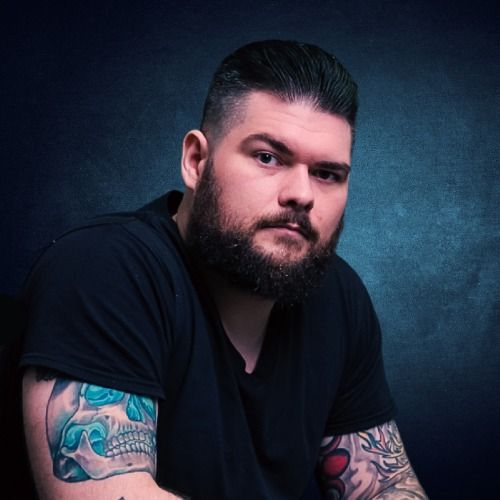
Episode 39
#39 - Tim Stoddart: Inside the Mind of Building Multiple 7-Figure Companies
Tim Stoddart is one of my favorite entrepreneurs and writers. He's built multiple 7 and 8 figure businesses with SEO, content marketing, advertising, and great writing.
A few years ago he went full circle and bought Copyblogger, a website and platform that first taught him how to build an online business when he first started.
In this episode, we dive into the "inner game" of what it actually takes to build multiple successful companies, the psychological toll it can take that most entrepreneurs never talk about, and Tim shares business advice everyone ignores that could actually be the key to building a successful business.
—
CONNECT WITH TIM STODDART:
- https://copyblogger.com/
- https://www.timstodz.com/
- https://www.youtube.com/@timstodz
—
SUBSCRIBE TO THE NEWSLETTER:
Subscribe to the Creator Alchemy Newsletter for exclusive content and unlock the Psychology of Success Masterclass for free.
Go to https://www.creatoralchemy.com/
—
JOIN THE COMMUNITY:
The Creator Alchemy Lab is a community for ambitious creators taking bold action to transform their businesses, their lives, and themselves.
Go to https://www.creatoralchemy.com/lab now to join.
—
TIMESTAMPS:
00:00 Why Creators Are Broke
09:29 How Content Attracts Serendipity
19:04 Building Business Relationships Through Authenticity
29:09 Sobriety, Entrepreneurship, and Obsession
47:10 Self-Care, Stillness, and Sustainability
54:29 Business Advice Everyone Ignores
—
SOCIAL LINKS:
Website: https://coreywilkspsyd.com/
YouTube: https://www.youtube.com/@coreywilkspsyd
Substack: https://substack.com/@coreywilkspsyd
LinkedIn: https://www.linkedin.com/in/coreywilkspsyd/
Instagram: https://www.instagram.com/coreywilkspsyd/
Disclaimers: The content provided is for educational, informational, and entertainment purposes only. Nothing here constitutes personal or professional consultation, treatment, diagnosis, or creates a professional-client relationship.
Transcript
So creator is a loaded term, right? Like some people like the term. Some people hate the term because I think for a lot of us, creator is synonymous with influencer or content creator. For me, when I use the term, it's more so like if you create something, you are a creator. So that for me encompasses like founders, entrepreneurs, know, coaches, consultants, also the shit.
But one of the things you've said before is a lot of creators are broke and then you kind of follow that up with don't make a business out of content, use content to grow your business. What do you mean by that?
Tim Stoddart (:Well, it's a funny place to start. This is great. I was brushing my teeth earlier this morning and I was thinking like, damn, think Corey's podcast is called like Create or something. was like, I hope he doesn't mind that I've written like a dozen articles like shitting on the term creator. So like, yeah. No, like you're totally right. And it's it is relatively nuanced. And I'll tell you the backstory. I was brought up.
on content marketing by reading copy blogger. And this was 15 years ago. You know, it's crazy. I'm 39 now. I think I'm actually like an old head in the game, which makes you feel funny. one of the revolutionary things about copy blogger back then was if you were a blogger, you only really created a blog and then like ran ads against it. And this is true from a, a, a
philosophical standpoint, but also like a technical standpoint, you know, just because blogs quite literally didn't look the same as they do now on a screen. Like WordPress was pretty new. It was all HTML. There just weren't as many options to monetize your content, monetize your creations. And when Copyblogger came around, Brian, Brian Clark, he was the founder of it. He was one of the first people. He gets a lot of credit. I mean, he didn't invent it all by himself, but he positioned himself pretty well where
No, don't do that. Your content is simply a mechanism to build authority. And then you use your content as a way to generate an audience, specifically an email list more so back then. But I think it's still pretty pertinent now. And then you sell whatever it is that you're selling through your email list. So your content is just a marketing machine.
The difference specifically, like I said, it's nuanced, but the specific difference is, in my opinion, if we're talking semantics, creators try to monetize their content directly. They say like, I have this attention, how can I monetize it? Whereas entrepreneurs use content as a way to build authority and then monetize against that authority through their own products and services. I think...
The second way is much more profitable, much more fun, much less stressful, much less like, I don't know. I don't know if you've been through this, like the angst of needing followers and needing views to get money. Whereas the, in my philosophy, the views and the followers, it's correlated, obviously, just because more attention usually means like more sales, but it's just not even close to the same. You don't need a big audience to make a lot of money.
At least I haven't. So great way to start off the podcast. That's really funny because I was thinking about that exact same thing, but that's, that's the difference. That's my answer.
Corey Wilks, Psy.D. (:Be like, I think about it, you know, don't, don't see yourself as a content creator. See yourself as an entrepreneur who creates content or more accurately who does content marketing. I think that's a real distinguisher of like, if you see the things, the assets you create as marketing assets, then the question is like, okay, well, what am I marketing? I'm marketing my services. I'm marketing my products. That is an, you know,
learning how to directly monetize is much different than relying on third party monetization, right? Like you can make a lot of money through sponsorships or affiliates and shit like that, but you would make so much more money just by having your own shit that you offer. And they're not mutually exclusive, right? Like you can always do partnerships and shit too, but that's the biggest thing. So many people I see early on struggle with is they say, how do I get attention? That's okay for fucking what?
Like what the fuck is the point in attention if you don't have a thing to sell, right? Versus saying like, I am an expert or I do this thing. I have this thing I've created. Let me get that in front of more eyeballs and not necessarily, you know, not all eyeballs are created equal, right? There's, know, let's say like if you have a newsletter list of like 500 people, that's a really small list. Unless that is like fortune 500 CEOs, very different.
Tim Stoddart (:Yeah.
Corey Wilks, Psy.D. (:500 versus 500, like 14 year olds who whatever like hugely different, right? But so many people chase the wrong metrics. I think they chase likes, they chase followers or subscribers. And then like even now, like with newsletters, you know, before newsletters were like the end all be all thing because you had direct contact. But now we're increasingly seeing, especially with all the shit of like the pop-ups. So when you subscribe to one person's newsletter, you get a pop-up to
auto subscribed to like three or five others. So all of a sudden you are subscribed to a bunch of newsletters you didn't necessarily mean to, but then you have that, you have bot clicks, you have Gmail and things like doing AI summaries of emails. So now you, if you operate your business mostly from a newsletter, you're getting a bunch of like quote, low quality subscribers. You're getting
Tim Stoddart (:Yeah.
Corey Wilks, Psy.D. (:bot clicks. So now anything you're using to like tag per click, the data is all fucked up and people may not even be reading all of your things. So it's like, well, how do I get more views? How do I get people to do this? How do I get people to do that? It's like, you're asking the wrong questions, right? Like, and I'm curious about your, your take on this with like a B testing email, ⁓ subject lines for me, I am much more concerned with
building my reputation so that you don't even care what the subject line is. You care that it came from me. What is your approach to this?
Tim Stoddart (:I totally agree. That was actually a pretty big revelation I had once. It was going to meet Sate and back when I had my own podcast, when I first bought Copyblogger, it was a funny thing, you know, because I was the same person I always was. But now all of a sudden that I owned Copyblogger, people like took me seriously. And it was like a good lesson on branding and like positioning, you know, where you can quite literally just buy your way into like a cool club. That's a different story. But
I had him on the podcast and like, was so nervous to talk to him and I prepped for it so much. He was really influential to me. And he said the same exact thing that always stuck with me because he tests everything except email subject lines. And he was like, no, I honestly could care less. It doesn't matter. It could just say no subject. And if it comes from me, then that's why people are going to open it. I've, I've read a lot and I've read a lot of emails specifically.
And once you're built a cadence and once you build trust, it really doesn't matter, man. Like I can't, I don't know. Can you remember a single email subject line that you've ever read in a newsletter? You know what I mean? Like I can't, ⁓ I've never even really thought about it to be honest. So it's not to say that I'm not being hyperbolic. If there are subject lines that are catchy for sure. And you know, maybe it got me to open it, but
There's just a whole lot of conversation or emphasis on your tagline. And I've always been way more along the lines of you. I'm also kind of lazy in that regard. Like I don't know. It's just, seems like a waste of thought to me. out of all of the things that I could be spending my time on, am I really gonna A-B test 20 different subject lines?
I don't know. It's just never really interested me and I've never really cared. I don't know how else to say it really.
Corey Wilks, Psy.D. (:So then how do you, so you've built multiple seven figure companies, right? ⁓ you were featured on, on starter story with Pat walls and stuff about the, some of the companies you've built. Like you said, you bought, you've bought copy blogger before you've sold an agency you've done. Like you're a quote unquote real entrepreneur. Like you've done real shit and continue to do real shit.
Tim Stoddart (:Thanks, man.
Corey Wilks, Psy.D. (:I mean, dude, like, I mean, you know, I have so much respect for you. Like from years ago, when we first connected, like I've loved your shit, you know, ever since I first came across it, you've been a huge inspiration for me, like in my own entrepreneurial journey. ⁓ that's why I'm super grateful you came on. ⁓ I'm grateful to be able to call your friends, but how do you see content like your newsletter and fucking LinkedIn and shit? How do you see these things playing into your business?
when so much of your business success has happened without a lot of these assets.
Tim Stoddart (:⁓ yeah. Great topic because I've changed my mind a lot and have seemingly kind of come right back to where I started. My, I think it's still on my LinkedIn on the subject line. Everyone's seen that meme where there's like the three people and the bell curve and there's like the dumb little beginner that says something trite that a beginner would say. And then there's the, I don't know, the super nerdy.
person that's kind of goofy looking at the top of the bell curve that has all of these like hacks and philosophies and strategies and then it comes back down to the bell curve and it's like the the Jedi and he's saying the same exact thing that the beginner is saying. I'm sort of at that place right now. So with that all being said, here's here's where I'm at. When I first bought copyblogger and I was talking to Brian Clark, he yelled at me once. If you know Brian,
He's an interesting guy. And he can just be overly overly direct, not in like a Northeastern I'm cool. I'm just blunt kind of way sort of like a dude, didn't you think you didn't need to say it that way. Like chill out. And and he was yelling at me and he just said, audience first audience first audience first and he just yelled it and so basically the underlying philosophy is if you create something that people like you're gonna win. It's back to Seth Godin like the best
the best idea spread, you know, and it's hard to know which one of those ideas are going to spread, but whichever idea spreads is the one that wins. Now, in terms of what you were kind of hinting at with, you know, being all over the place on different social media platforms and, know, it seems anti what I believe in. ⁓ I really am a fundamentalist where
I do entrepreneurship for making money. That's why I'm in it. I love making money, which is funny because I'm not that inspired by money. Like I live a great life, you know what I mean? And I don't have any money problems, but I got any fucking like watches or I don't spend any money. don't know. I'm just like a simple person. I like I do the same thing every day. And I always have been maybe just because I grew up the way that I did.
But it's fun. It's a game. Like it just is a game. And that's the, that's the best thing about entrepreneurship is that it's a game, but it's not, I'm getting a little off topic here. I'm going to come back around. I don't like the comparisons where people say it's like, it's like a sport, you know, it's not because there's not a winner and there's not a loser. Like everybody can win quite literally. And I think it's so fun when you play that game. And part of that game for me has been
not being emotionally attached to anything and just trying everything and seeing the things that work. And it wasn't until COVID really where I said, all right, I'm going to take this Twitter thing seriously. I'm going to take this LinkedIn thing seriously. I'm going to try to build the personal brand. And I'm so glad I did. It's been hugely influential, hugely influential in my life, especially in ways that I didn't see coming. So I've
thought about it a lot, right? Because I realized I'm talking out of both sides of my mouth a little bit, but both of these statements can be true at the same time. You know, I can emphasize for my own companies, what's really important. And what's really important is like focusing on the 80 20. Like where do your sales come from? Where do your sales come from? I'm in boring healthcare businesses, you know, like here's something I noticed all of the baller CEOs in these healthcare companies that I work with do not care.
at all about LinkedIn. Okay, less, you know, I mean, like, they do not care at all. They probably look at me and people with like 300,000 followers like what a fucking waste of time, you know, like, what a huge waste of time, I'd rather just have a dinner with a real influential conversation and make all of the progress that took me 10 years of posting on LinkedIn, you know what mean? And so
I can have that one side of me where it's like focus on the stuff that really matters. Don't care about the attention and that attention that I've just generated and invested in has brought huge dividends for me in my life. Relationships I've made. mean, you and I met through social media. I'm sure. ⁓ like deals that have brought, have come my way that I didn't seek. strange things, man. Strange things. The best way to say that, who's the guy right?
to Rome, maybe he's one of the writer guys. Um, it's kind of like a skinny, geeky looking kid. And I mean that humbly is very handsome. He's just got kind of like the thick glasses sort of vibe. And he said something a while ago about when you create a lot of content, you like increase your chances of serendipity. So something like that. I can't remember exactly who it is. And that's totally been the case for me. Like if I just continuously put myself out there in all of the different ways that I can.
serendipitous things just sort of happen. And you don't expect it. don't, you're not after anything. You just embrace the process of what life, what the gods of the internet have in store for me, you know? So that's like a very idiosyncratic, like a overly philosophical way to look at it, right? But I've, I've really navigated that.
that over the last 10 or 15 years, I'm like, don't think about this at all. Just think about this. Well, actually, this is working a little bit. Actually, I think this is a waste of time. Let me go back to where I started. I've continuously been changing my mind back and forth for better part of a decade.
Corey Wilks, Psy.D. (:Yeah. The way I think about it is so like, just came up with like my five year anniversary of like being an entrepreneur and thanks. And so I grew up on food stamps, public housing. So like super poor went through like domestic violence and shit. like I grew up and I'm sure, I'm assuming both of us have a pretty high ACE score, ⁓ given like your addiction history and things. like we both have like gone through various things, right? ⁓
Tim Stoddart (:man.
That's funny.
Corey Wilks, Psy.D. (:And yeah, yeah, you're, yeah, you do healthcare shit. So, um, for those of you who don't know, like the ACE score is basically like how much trauma did you have as a kid? Um, adverse childhood experiences, um, survey, but, so when, when I, so I went through, you know, all this shit and as, know, as a kid, and then went to college, became a psychologist, also the shit.
Tim Stoddart (:Yeah, it's like the trauma score, right? Yeah.
Corey Wilks, Psy.D. (:And then during COVID got laid off and was like, well, fuck, I can't practice therapy anymore just because of how the licensure bureaucracy went. Like I was licensed in one state working at or living in another, and it was just hard to like get another job that way. Um, so I was like, fuck, I have all this experience and I don't know what to do with it. I guess I'll start my own business.
but I had no business background. I didn't know fuck all about marketing. Like I had read like the four hour work week at that point, which was in lean startup. That was about all I had done. and one, you were one of the like the entrepreneurs that I came across on Twitter and shit. again, glad we could connect, but like, dude, I literally had to Google, how do you start an LLC at the time? Right. And
For me, when I started on Twitter and things like, was like, I don't have any connections. I have no network. I don't know any entrepreneurs. So for me, going online was a way to try to meet people all over the world who were doing bigger things that I wanted to do. And that allowed me to connect with these people, to build those relationships. ⁓ But a combination of that and using social media, my website and things to try to showcase my expertise.
to one position me as a person of like, if you need help with like, you know, inter game of entrepreneurship, shit like mindset stuff, I'm the dude. Like I'm a psychologist. I'm an executive coach. I fuck with entrepreneurs. Like if that's who you are, cause like imposter syndrome or fear of failure, fear of success. Also the shit is fucking with you. That's where I come in and that juxtaposition of like using content to showcase expertise, but also to show like my authenticity.
because like, know, too, like in business, like it, it, honestly, it isn't the, just because you're really good, doesn't mean people are going to work with you because most of us, like if your friend is like, Hey man, there's this really great Thai restaurant down the street. You are not going to go on Yelp to verify. You're going to be like, ⁓ that that's it. Right. And that's how most of us work. So for me, like a lot of business stuff is done offline, but a lot of those relationships start.
Tim Stoddart (:I'm just gonna check it out. Yeah.
Corey Wilks, Psy.D. (:online, which has been huge for me. How have you kind of navigated that? Like as you've come into business and come online and things, how have you like developed like real relationships and networks?
Tim Stoddart (:It's been difficult for me. I struggle very much with relationships. Always have. I look at my son sometimes. My son is four and a half. I remember when we were living in Nashville, my wife and I would work out at this YMCA in East Nashville and they had these like amazing caretakers, I suppose. I don't want to call them babysitters. It was like a, it was more than that. was a daycare so that we could work out without the kids. I remember walking in one day.
And all these little kids were playing and my son, it was all the way in the back of the room in a corner by himself, just quite literally opening. I'll never forget it. Opening cabinet doors and then just shutting them and looking at him and just being like, like ⁓ that's from me. Cause my wife is so opposite from me. My wife, I mean, she's crushing it in her business right now. Cause her business is so personal and she'll just go up to anybody. It doesn't matter. In an airport. Like we took our kids to some cool.
outdoor playground and just walked right up to the barista. It like a little playground with a coffee shop. She's like, Oh my God, you're so pretty. Tell me what you do. Found out that she teaches little kids like circus stuff and walks out of there with like a new best friend. You know, I don't have that in me. And so building relationships has been difficult, especially because I had a speech problem when I was a kid and I was in speech class a lot. My teacher was Mrs. Boop. like
never forget, I over so much, I couldn't say ours. And now I say it fine. And so it was just difficult. Like I have conversations with people and every time I say something I instantly think, I don't know why I said that, like I should just keep my mouth shut. Like I'm better off. And maybe that's why I was such a writer. You know, I really think that's why because when I write, I can say exactly what it is I'm trying to say and nail it and like deliver it.
And it doesn't happen that way for me with relationships. With that being said, I really, really, really worked on it. Very much so. It was really hard for me, especially when I first started, when I was in Florida in South Florida, like everyone's kind of up to something. In my opinion, South Florida is like the third leg. I heard this expression once. People in New York.
are somebody people in LA want to be somebody and people in Miami want to be somebody else. So it's all people that like start off and there's just not working for them. And they like want to do something, but they don't know why. And they end up in South Florida. Right. So everybody was like hustling and kind of scheming on some shit. And I would meet with a lot of these healthcare executives down there and they all had call centers and they're all really like fast talking and knew what to say at the right time. And some of them were.
a little skeezy and I was like navigating that whole thing. And I would pull up to these meetings that I would book, sit in my car. And like quite honest to say a prayer before I went in there because I would be so terrified of like walking into these meetings. But you know, I sat there for a minute and I got my head right and I got my shit together. And I walked in and I shook hands. I looked people in the eye and I just forced myself to
to interact like quite literally. One thing I will say in advantage that I had is I am a good listener. My mom taught me how to listen to people and the book how to win friends and influence others like I know it's kind of like one of the played out self help books but man if you read it over and over and over again and you just embrace the process of listening to people and then making them feel important.
like the world will open up to you. It really is like the secret to relationships make make make people feel important. That's all you got to do. And you know, I was like at the beginning of my sobriety and I was reading all these self help books, like I got to do something I got to figure it out. started making some money. would roll up to these meetings and like my tank top like I'm I'm covered in tattoos, you know, and I just like I can't do it. I can't wear the button down and those silly shoes and all the
dudes wear in Miami with like the no socks and like those leather shoes. I'm like, it's a hundred degrees. Like, what are you fucking doing? You know what I mean? So I just needed to be myself and I needed to do it my own way, but I know I knew that I needed to do it. And so look, I have some meaningful, meaningful business relationships, especially most of my relationships are business relationships. Quite honestly, like it's difficult for me to navigate that line to really cross over, but I have some.
I mean, I get coffee every Wednesday with my friend David. You'll probably understand this. lot of the closest relationships I have are my training partners. Something just happens when you punch and kick each other in the face and like you liver kick people and you get liver kicked and you're on your knee and like, you know, some dude just puts his arm around you. It's like, it's going to be okay. And you're like, Oh my God, make it stop. Like, I don't, you can't explain it until you, you understand that, you know, yeah.
relationships are the most important part of business. This whole like online entrepreneurship lock in for six months don't talk to anybody sit in a dark room and get jacked up on like, yeah, it doesn't make any sense. Like if you want to really get be out there. You're better off knocking on doors than doing that in my opinion. shaking hands going up the strip in your neighborhood, meeting the store owners like how can I help you
Corey Wilks, Psy.D. (:Monk Mode. Monk Mode.
Tim Stoddart (:It's a way, way, way better approach. And the crazy thing is we all need people. Like through that process, you will actually discover that most people are pretty freaking cool and people aren't actually that scary and most people want the best for you. it's great. So it's been a struggle for me, but I've really, I have embraced that process for sure.
Corey Wilks, Psy.D. (:Well, and like just getting comfortable with yourself is one of the hardest fucking things. Cause like, you know, again, man, I remember like coming up through like, you know, grad school and, and, and even just like business practice, like best practices for business or like, you know, title, LinkedIn, if I yourself, and it was a lot of the same things of like cover your tattoos, don't cuss, don't do this. Don't let people know you have body mods. Don't, you know, whatever. And one, I mean, I think a lot of us go into entrepreneurship.
Tim Stoddart (:Yeah.
Mmm.
Corey Wilks, Psy.D. (:partly because we're oppositional. We don't like being told what to do, but it's this thing of anytime I tried to be somebody I wasn't, and I felt inauthentic. was also way less effective at what I was really great at. So for me, it's like, yeah. So like for me, it's like, how can I be myself? And, and obviously, you know, we have different levels of ourselves as far as like depending on the group we're with, but how do I feel authentic in this moment? And so many of us,
Tim Stoddart (:Mm-hmm.
Probably.
Corey Wilks, Psy.D. (:it's really hard because like that means like looking at all your fucking awkwardness. And you know, like for me, you know, I, I tend to get really hyper and I try not to overshare. ⁓ I try to, you know, modulate that, but you know, early on, like it was easy for me to get so excited and get caught up in the moment where she's like, fuck, I should have said that. Right. And, or like we weren't close enough for that to come out. And there, there is a level of like learning to modulate that, but it's also man. ⁓
I think Matthew McConaughey was on Ryan holidays podcast. He was, they were talking about be less impressed, more involved. And what they meant by that was when you meet somebody you look up to or whatever, don't try to impress them and also don't fawn over them. Like how do you actually see them as a human being and try to connect with them as a human being? Cause you're both imperfect. You, you both got fucking flaws and more often than not, that's what you're actually going to connect over.
So like you said, like being a good listener, being involved with that person, seeing, you said your wife, like seeing that person for who they are and like actually connect you with them. And it's like, if you're socially awkward, the best thing you can do when you introduce yourself and say, Hey, I'm awkward, just letting you know, because like from that moment on people like, cool, we'll fucking bring it right. Like now I feel like I've got permission to be weird too. Awesome.
Tim Stoddart (:Alright.
That's a great piece of advice. My go-to is basically, I just say, me about yourself. I don't know, it worked for me. I had a friend, Kelly. She was one of my closest friends when I was growing up and her and I were always really, really tight. We always looked really funny together because I think she's under five foot and I've been like pretty tall my whole life, but I love her to death and she was the same way. And she would just go to anybody to party like, Hey, I'm Kelly. Like, tell me about yourself. And I don't know, it just stuck with me. So that's, that's my move. If I meet somebody.
And there's just that instant silence. Tell me about yourself. Like just blurt it out. You know, you got to make a move.
Corey Wilks, Psy.D. (:So you kind of talked about sobriety and things. What was your journey from like active addiction to sobriety, to entrepreneurship, to now owning multiple successful companies, having at least one exit, like how, what the fuck has that looked like?
Tim Stoddart (:There's a Jim Rohn quote that says, don't ask for security, ask for adventure. And there's another one. It's the guy that wrote Fear Loathing in Las Vegas. Yeah, there you go. Hunter S. Thompson. Buy the ticket, take the ride. I've always embraced that. So, wow, mean, it's an entire lifetime, but I'll give it to you pretty quick.
Corey Wilks, Psy.D. (:Hunter S. Thompson.
Tim Stoddart (:I became an entrepreneur the second my dad got laid off. My mom was a ER nurse in North Philly. My dad worked at the airport and I'm from like Northwest Philly and the airport is in South Philly. So he would drive 45 minutes every day up at 430 in the morning. And he was a luggage handler, like those guys that throw the suitcases at the bottom of herniated two discs. know, my dad was always in back pain. And after nine 11, I got laid off.
just poof. I'll never forget it because it was always pretty rough for us financially. But I don't know, it was was kind of fine. Like, when you're a kid, that stuff doesn't matter. And you know, like my pop was always at my wrestling matches. And it was great, like, but it really was at that moment when you kind of felt the rug get pulled out where you know, I was a little bit older at the time, you know, I was in high school, I think I was in ninth grade.
And after 9 11, I remember thinking like, okay, this is really, really bad. And it was, it was really, really bad. And it was quite literally in that moment when he told me he got laid off. was like, Nope, never doing it. Never ever happened to me. So, you know, I had, I was in 10th grade, I had a landscaping business. I made a flyer. There's a pharmacy down the block. It was called Prokale's pharmacy. I illegally put it in everybody's mailbox. I took this picture of me.
smiling in front of a rose bush and it's like, I'll come cut your grass. And I did, I just cut everybody's fucking grass and it was awesome. And, you know, I did contracting and I built houses and I had a lot of side contracting jobs. I bought a van, you know, did that whole thing. I always knew that's what I wanted to do, but it was never online. I got sober. I've told this story a bunch, but it really was the inflection point for me where
a mentor, I mean, really was my sponsor, my AA sponsor. ⁓ He bought me an issue of success magazine. And in that magazine, there was a CD of an interview with this guy named Seth Godin. Never heard of him. And I don't remember the interview. He said at the end of it, start a blog, write it every day and don't tell anybody about it. So that's just what I did. Like I really had no direction, no degree. ⁓ It was it was a tough time. I
I was in South Florida in a sober living house basically. And it wasn't like a good one. You know what mean? was bugs and all types of shit. Right. And I just did it. I was like, I'll do whatever I can do. And it changed my life. was just writing every day in a blog spot and eventually people started commenting on it. But you remember Seth Godin said, don't tell anybody about it. And I didn't. So I was like, how in the world are people even finding this? And that's when I discovered SEO.
⁓ and then through that, was like, Whoa, there's like this whole thing about writing online and ways to build businesses out of it. And that's how I discovered copy blogger. Right. So my first blog, ⁓ well, I'm over explaining it now, but the first blog basically turned into sober nation. That's how sober nation started. ⁓ sober nation turned into a bunch of other of these directories. found out like you can sell phone calls through people looking for services online. So we built all these giant.
I did have a group of friends that I got sober with and we all kind of teamed up. So we all built these giant directories and people would Google, you know, like drug rehab near me or drug detox near me. And, and they would come to our website and they would call and then we would sell those phone calls and it turned into like a network. And then from that, I, I read this article from this dude named Mike. I can never remember his name. He still owns the agency, Nifty marketing.
And back then SEO Moz, it's just called Moz now back then it was called SEO Moz. They had this giant like open forum. And this guy wrote this like 30 page article all about local SEO. And in this article, he, he the writer, Mike was talking to one of his mentors. And he said he wanted to start a marketing agency. And his mentor said like, yeah, but there's like 15,000 marketing agencies, like, what are you going to do differently?
And Mike, the guy realized right then and there is like, Oh, okay. I'm going to do local. I'm going to do local SEO. And I heard that I was like, Oh my God, like I'm going to do an SEO agency that is just specifically for behavioral healthcare centers. And so one thing really, really led to another, like my journey has not been, Oh, I know what I want to do with my life. It's been very much like what's right in front of me. What's right in front of me, you know? Um, and it hasn't all been success either, dude. Like I'm just.
annoyingly stubborn. And I really mean that like it is a superpower of mine. I've never met anybody yet who can like outrun me, or just out grind life. And I'm not saying that's a good strategy, by the way, I actually don't recommend it at all. grinding is not a good strategy. But I don't know is all I had it for me. And it's what I had to do. And it's I've just never met anybody who could outdo me in that regard. And so when I would lose,
I would just start again and keep going and keep going. then, you know, when we'd have a setback, I sort of thrive in that like high anxiety type scenario where the world is falling down around you. don't know how to explain it. I find it a little bit comforting. okay, now I have like this like mission that I get to do, slay some dragon and look into the belly of the whale and all that biblical shit. Right. ⁓ and so I've just always been able to persevere through all of that. And
People are always interested in my sobriety. ⁓ I've embraced it a little bit just because I've discovered that like everybody struggles with it, either them personally or a family member. And if I can be like a beacon of hope for people then yeah, great. Let me be that beacon of hope. I'm all for it. ⁓ And it has absolutely been the like just the foundation that all of
my life has been built on because I'm an animal man. Like I tell my wife sometimes my wife's never seen me drunk and I've seen my wife drunk and she'll ask me about it. I'm like, look, it is not a fun pretty thing. Cause for me, I mean, there's drinking and there's like being a heroin addict and they're both really, really terrible, but they're like, they're different kinds of destruction. You know what I mean? I was like, it is not like that. Like it's bar fights and shit gets stolen and it happens very, very fast. Like I'll be in jail.
Corey Wilks, Psy.D. (:you
Tim Stoddart (:very fast. You know, I'm not like the 60 year old drunk, you know. And, ⁓ and so that has always been like my biggest priority because if that were to fall away, they're like, everything else falls away. And you say that to people and they're like, yeah, but what about your family? I'm like, no, no, no, it is my biggest priority because I love my family. It's not like I love sobriety more than my family. It's like without it, everything else falls apart. So
That's been my experience. I'm not recommending it to anybody. If I had to recommend it to anybody, I'd say get a high paying job and invest in the S and P for 60 years and like work 35 hours a week and enjoy, enjoy dinner with your family and take off on the weekends. Right. But I don't know. I chose adventure.
Corey Wilks, Psy.D. (:So I I don't claim sobriety because I never got to the point of it being an addiction But I I don't do anything. I haven't drank in like 20 years I don't fuck with anything and a sober life is very different right because it's like You know for a lot of people they use whatever it is to help as a social lubricant or to celebrate or to cope or to grieve and it's just like
when you remove that as an option for you, you suddenly have to learn how do you socialize sober? How do you celebrate without booze or drugs? How do you de-stress? How do you learn to like deal with your shit because you can't numb it necessarily, right? And it's just, yeah, and it's just, it's a very, very different existence that...
Tim Stoddart (:Yeah, there's nowhere for it to go.
Corey Wilks, Psy.D. (:I don't think a lot of people fully understand because many people ha always have the option. And like, you know, back when I specialized in addiction treatment, ⁓ one, everybody thought I was a fucking patient too, just because like the way I looked and, know, covering tattoos and shit, which was really great for building rapport. ⁓ but a lot of people would sometimes like not, not the, the other people who were, who were in recovery, but other people would be like, Corey, you're so strong.
because you don't do anything. I'm like, it's the opposite. It's the fact that I, so like my dad, ⁓ for my birthday or Christmas a couple of years ago, got me a pipe and tobacco. I fucking love pipe tobacco. I love cigars, but I refuse to use them. And so it's just like a decoration now, like up, up here, you know, off camera and my dad's like, it's just, just, you know, on the weekends or just occasionally I'm like, dad, I love you. And I fucking love this pipe and the tobacco smells amazing.
I, there's no such thing as a little bit for me. If I smoke it, even, even tobacco, if I smoke it once, it will become a daily ritual for me. I don't have that throttle that other people have. And I know that about myself. So I don't fuck with anything because it's not a strain. It's like, I'm actually hella fucking weak. So I don't fuck with anything at all. And that's a different kind of life.
Tim Stoddart (:really relate.
really relate man
I had the hardest time and I'm not embarrassed anymore but I was very embarrassed with chewing tobacco. Like I got sober and I was just like I need something and like my throat was starting to hurt because like I'm from Philly so we smoked Newports right and I was like I can't keep smoking like I'm gonna die and so I started dipping and it was so miserable to quit so absolutely miserable to quit and so I'm like trying everything right you do the vaping thing and then you just feel like a complete douche because you're vaping.
I bought a hookah and I'm not even lying about a hookah and I would like wait all day to go onto my back porch and smoke a hookah. And then I'm like, this is like the worst thing I can possibly do. This is just straight jet fuel right into my lungs. ⁓ and just the other day I have a business partner, well, he's a, he's a client actually. And I found out that he lives pretty near me and, he was like, Hey, you want to come over? Like my friend sent me these cigars from Mexico. He was like, do you like cigars? And I was like, I love cigars.
He was like, were you smoking with me? was like, I can't. It's happened plenty of times in Vegas, at weddings. Man, like I would love to sit around with some guys and like play poker or something and do that thing. Like honestly, it's a real part of my life that I feel like I miss. I miss it in terms of I feel like I'm left out, but I also miss it because I remember the comfort of that. And I like, I wish I could do it again. I just can't.
know, I just can't I totally relate to what you say a lot of people say, like, oh, wow, you, you did this amazing thing with your life, like, congratulations, as long as the person people say congratulations, what are you congratulating me for? Like, it's not like I woke up and I said, I want to change my life is exactly the opposite. You wake up and you go, my life is so bad. It cannot get any worse. The only thing left for me to do is just either die, or stop. And it's a it's a
funny dynamic when you look at it like that, because it there's like a surrender in it that word surrender where you just give up. You're like, I'm not doing this anymore. I give up, you know, it's it's the opposite of strength, which is also a strange dichotomy, because it is sort of that surrender, which gives you the strength, right? So that's a whole nother conversation. But it's, I can just relate so much, man, I would love to smoke a cigar. I'm not lying at all. Like I'm desperate.
to sit in a circle around a fire with some dudes and like smoke a cigar. But I just, never going to have that experience again.
Corey Wilks, Psy.D. (:Dude, or
like a cigar lounge or like, just like the fucking like the man study with like all the fucking leather chairs, the wooden desk, like the books, the scotch, the cigar, the pipe. Dude, I would fucking love that. But it's like, I can have the rest of it. Can't have the booze and the tobacco. I just fucking can't.
Tim Stoddart (:In the books, yeah.
Me too.
I hear you man, I hear you.
Corey Wilks, Psy.D. (:But it's
like, but that's, mean, and you know, that's one of the many reasons I've got a lot of respect for you. But, ⁓ the other thing is like either addiction itself or an addiction history or just addictive tendencies are so common with entrepreneurs. And a lot of entrepreneurs tend to have like this all or nothing mentality. Sometimes it's like this black and white thinking of like you're all in super obsessed.
grinding 16 hours sometimes, or you're on a fucking bender or like there's self destruction and things. Why do you think there seems to be such an overlap with these two things?
Tim Stoddart (:don't know. And here's the best I have. I've spent a lot of time thinking about this. And I actually think the best analogy for the word addiction is the word obsession, because obsession is a thought that overpowers all other thoughts. And that's all it is. People say sometimes
Wow, so cool. You get to do whatever you want to do and live your own life. You don't have a boss. I'm like, yeah, it is so awesome. Going to sleep every night and only thinking about building my companies and being crippled with like some kind of anxiety or what's going to sneak up on me or who's the next person to fire me or like what is this move that I'm missing? It's all I think about. I'm not joking. It's all I think about is
Now that I have a family, I have to really, really be intentional about being present. It is not natural to me. I will sit and stand because I had to get a standing desk because I work so much at my computer and just haul ass. Left-amount devices. Like if my wife goes away for a week and she takes the kids, I ain't going anywhere. I'm sitting right here and I'm getting after it. I have no idea why. I don't know why. I've just always been obsessive.
And it shows himself in gnarly ways, like my body. know that men have a hard time talking about this, but I am so fit. And if I get like a shred of body fat on me, I'll see it in my stomach. And like anybody would look at me and be like, you're in insane shape. I'm like, no, no, no, this is terrible. Like I cannot live with myself right now. I hate it. ⁓ I mean, I don't know if I'm falling behind in a certain area.
I really beat myself up totally. And it's just because I'm obsessive. So the question I don't necessarily think is that entrepreneurs have addictive personalities. I think that people that have an obsessive nature are entrepreneurs. I think the obsession comes first. ⁓ It's really, really difficult to put me in a role. I've only ever had one job, a contracting job, and
I was a nightmare. I'm so grateful for this guy, Mike. He was like a real father figure for me at the time. And he let me work for him for like four and a half years. And like, I was just, I could not be tamed. And I'm not saying that in terms of like, Oh, like I'm a big man. I'm like a lion. You can't tame me back. It's no, it was just cannot be tamed. I can't, it's very hard to put me in a direction with my mind, my thoughts, my actions.
And I'm so grateful for him. But anytime I've ever tried to fit in a role or an organization or just you do this thing and worry about yourself and let other people worry about themselves. Like I can't do it. I don't know why. So yeah, I think it's actually the wrong way to look at it. I don't think that like entrepreneurs have addictive tendencies. I think that people that are naturally obsessive become entrepreneurs because they, they just don't know what else to do. Like they don't, it doesn't work anywhere else. They get fired or
And unfortunately, a lot of them, it's all or nothing. know, so most of them crash and burn because the odds of success are actually not good. The odds of failure are pretty good. That's what I think.
Corey Wilks, Psy.D. (:love that. Yeah. Finally that, that third variable of like, it's, it's the obsession, the obsessiveness. That's really the underlying thing between all of these. So then how do you stay saying and navigate all of this shit?
Tim Stoddart (:⁓ Muay Thai helps a lot. ⁓ and even before I discovered Muay Thai, like I was a pretty intense endurance athlete. ⁓ I had back surgery and I couldn't run anymore. And that's what, that's one reason why I got into Muay Thai. But even that, like, I can't just go to kickboxing class and like hit the bag like that. You know, I have to be really, really great at it. It's one of the first things I discovered in my life in a long time.
that I walked into, was like, I fucking suck at this. And I think that's why I just couldn't handle it. was like, I need to get good at this. can't remember the last time I just walked into something. It was so bad at it. It's very movement related and you'll be able to relate to this Americans. Like we only know how to move our hips up and down, you know, like we don't know how to open up our hips and twist and turn. And I remember throwing a kick.
And what we do is we pretend that we're kicking like a soccer ball. So you kick straight and then you just bash your foot against the bag. And I'm like, I don't even know how to twist my hips in a way to cut across a bag. And so that's how I got into Muay Thai in case you were interested about that story. ⁓ that really, really helps sports and fitness always, always. mean, I talk about sports as a kid and how grateful I am to it, like wrestling. And then after wrestling was the cross and like you're
paint your face and you get in like armor basically. And one of the cool things about lacrosse is there's like a tradition where before the game starts, you literally like line it up against each other and you just kind of like eye each other down. You feel like you're going into battle, like actual battle. I've had a lot of, a lot of ways to get out that aggression. And when I didn't have that, I was not, it was a disaster. was a complete disaster. number one is just fitness, man. Like I,
I just need it. I need it. I lose my mind. If I'm not burning out that aggression. think about it a lot now with my kids to especially my son, where like I need to instill that. Also, time really helps. Time really, really helps. You know, I've gotten older. I've intentionally practiced being still. And like, I don't want to live this way. Crawling out of my skin all the time.
⁓ other things like breath work. My wife is a breath work instructor, man. If you want to learn like the power that you have inside of you, get in touch with the power of your breath. And I'm not saying on some like breath work from all different areas, like most Americans breathe through our mouths. We don't know how to breathe through our diaphragm. And then, you know, like my wife does hour long breath work sessions where you do these really, really intense breathing.
I mean, exercise is probably the word, it's more than that. And the emotions that come up and like the connection that you feel with your ancestors, it's like a trip in honestly, it's the closest thing I can come to. like a psychedelic experience. Breathwork has been insanely valuable. And then also a weird one for me is just reading and writing. I didn't have a TV when I was a kid and like my parents let me do whatever I wanted. But the only rule I ever remember my parents ever having for me is that you have to read.
reading habit. And I've read:intentionally practicing some kind of spiritual practice because we are spiritual beings. I know that's not that kind of podcast, but like it's a human podcast, you know? And so if you're going to be a person, you need to have some kind of contact with a higher power. And even atheists, this one is like, don't believe in anything. It's like, so what you just believe in yourself. Like, I just believe in like the universe. I'm like, okay. So that's a higher power. Like everybody needs to be connected to something. And, ⁓ diving into that over the last 15 years has been a real privilege for me as well.
Corey Wilks, Psy.D. (:Well, that comes back to that, ⁓ that bell curve you talked about before of like the beginners, like, just, you know, read, write it and be yourself or just, know, kind of just learn to be right. And then I, you're like, no, I got to optimize and all these fucking health protocols and this, and these prompts. like at a certain point, like, no, just, just write, read and fucking live basically. And like, dude, I, I daily come back to the, was like the, the blaze Pascal quote or whatever of
Tim Stoddart (:Yeah, yeah, yeah.
Yup.
Yeah.
Corey Wilks, Psy.D. (:All of humanity's problems stem from men's inability to sit quietly in a room alone. Like dude, that's so fucking much. Like so much of your problems are because you won't just, you can't sit and be yourself and understand who the fuck are you? What are the insecurities you try to run from? What are the things you're trying to like prove yourself or like all this other fucking shit? It's like, can you just sit again, like pen and paper or take a fucking walk?
Tim Stoddart (:All the way.
That's it.
Corey Wilks, Psy.D. (:by yourself, no fucking podcast and shit. Yeah. Don't multitask. Right. And it's like, so like virtually every breakthrough you're desperate to get is on the other side of being alone by yourself quietly.
Tim Stoddart (:with no headphones. Yeah.
that's exactly what it is like, right back to the beginning, you know, and, and it's funny because in order to get back here for myself, I had to go through that whole like optimization process, you know, like measuring my time and I've always woken up very early, I do really value the mornings, but it's just a different regiment, you know, like I'm not necessarily on a regiment now. It's just
your mind is so insanely powerful, so insanely powerful. And time has really helped in terms of learning these lessons and like, you know, those lessons that you learn, but you just refuse to accept, you know, ⁓ as I've gotten a little bit older, you just stop fighting. You know, there's that word surrender again, you just stop fighting like, wow, maybe happiness is just calling my mom every day and seeing how she's doing.
You know, like, maybe I don't actually need to stay up till 9 30 at night so I can write a proposal for this deal. Maybe I can just do it in the morning and get a good night's sleep. And, know, maybe when my daughter comes into bed, which is a privilege, I can just lay in bed with her till like seven 30 on this day and just lay there and just actually really, really embrace the fact that there's this like beautiful little three year old that wants nothing more than to put her head.
Like right here on my shoulder. Life is funny like that, man. Life is really, really funny like that. And I'm still learning. I ain't got to figure it out by any means, man. But I'm, getting there. I'm finding my way. I I hope.
Corey Wilks, Psy.D. (:Love it. Last few things and we'll wrap up.
When it comes to building a successful business, what do people overcomplicate and what do people underestimate?
Tim Stoddart (:underestimate the value of repetition. Arnold Schwarzenegger has been a huge influence on me. I'm not a bodybuilder. But I read his book total recall years and years ago. And I was like, man, this guy's awesome. And reps and sets, man, like all of success can be boiled down to reps and sets. That's really it. Like you want to get bigger, do more reps and sets. You want to be a better writer, do more reps and sets. There's a book ⁓
10 X is easier than two X. And there's a lot of lessons in that book that I really, love that. That book is awesome. One of the things I don't like about that book is how it assumes that you are at the expert level where you can do really meaningful things that have huge impact. And it skips over the 10 or 15 years it takes of just doing repetitions. You know, so basically the book is like do higher impact actions for higher impact results. And I love it.
I'm all for it. would love to reduce a lot of the bullshit in my life, but it really negates the 10 years of daily writing that I've done that allows me to write something to a couple hundred thousand people and like get a 10 X impact from it. Reps and Sets, that's all you need to know. Most people fail just because they don't want to do reps and sets or they do some and then they stop. It's really that mostly like they'll do it for a year. Like this isn't working. And then they stop. That's not enough.
people underestimate people over complicate offers. And man, I am the worst at this. This this is probably the most painful lesson as an entrepreneur I've ever learned. If I could do it all over again, I would just have one thing to offer people. Listen, just one thing to offer people it's so hard to say no to
but what if I did this? What if I added this little thing? Or what if I had this other great benefit? You know, we could build this and this and this and another thing that happens when you get older, you just, I think it'd be really cool to just be the best healthcare lead gen person and just dominate. And that's it. Just have one offer and just be the person. Like does anybody, when you think of Apple, you only think of the iPhone.
You know, or maybe you think of earbuds. ⁓ well, maybe that's not the best company because Apple does have a lot of products, but I think the, the way to.
Everything is a trade off the way to have mass maximum success in exchange for the least amount of life that you give up for it is just to have one call it three offers and have the different levels like low tier, medium tier, high tier, just do that forever. Like just do it forever. and never overcomplicate it. So
That's been my biggest lesson. I've overcomplicated the shit out of the value that I want to bring into the world. And I wish I didn't really like no regrets. It got me to where I am. But I would I would take that one back if I had a time machine.
Corey Wilks, Psy.D. (:Love it. And one other thing I'll add, because a couple of years ago, you and I collaborated on a, on a paid newsletter and things. So I got to work with you and the speed at which you experiment and iterate and spin down and spin back up is something I don't think most people understand because you're talking about sets and reps. Yes. But that iteration piece is like a third, like, like
variable there, I got to see it was like, it was like week to week, like, Hey man, we're going to be on this platform. Okay, fuck that isn't where like, let's go over here now. shit. Like we got to go back. I'm trying this channel. I'm trying that channel. Let's talk about this. This is a thing. Let's change this. And even though, and part of that, we did spend that thing down. ⁓ but it was so cool to see how like most of us, when we talk about entrepreneurship, we kind of either whitewash or just hand wave like,
the details, right? And like you said before, like what the book doesn't account for is like the 10 or 15 years of like just fucking doing the work that it's so hard to actually talk about like the nitty gritty of what it actually takes to succeed in business. So being able to see somebody who was already at your level, even those, even years ago, like, like literally this is what this mother fucker is doing on a day to day basis.
Not theory, not like telling a story and like leaving out details. Like, no, like this is literally what the fuck is happening today is so cool. And I think a real missing piece that holds a lot of people back from actually succeeding in business. Cause they never get those details because those details aren't fun. They're not fancy. They're not exciting. They're not proprietary. It's like sets reps get better and just like as quickly as you can, like make your feedback loops or as short as you can make your feedback loops, fucking do it.
Right? If the shit's not working, spin it down, change it, persevere, pivot like over and over and over again, because you will not be remembered for all your failures. You will only be remembered by your successes. So the faster you can spend down your failures, the faster you can fucking fail so that you can get to those successes. That's really where it's at. And like you said, like I'm sure you failed more times than most people have even fucking attempted.
And that's the beautiful thing, man. And whether it's like major failures or micro failures within something that finally fucking worked. And that's the thing, like not enough people understand when they go into entrepreneurship.
Tim Stoddart (:I'm really glad you brought this up Corey. Seriously, because there's a piece of me that doesn't think
you're totally right. My thoughts are spinning a little bit here. But let me talk this one out. And this is probably like a great lesson to end it on what we did in terms of the paid newsletter that we were creating. I always felt kind of bad about that because you are such a great writer. And it just didn't work out. And yeah, I've never had a problem with that. And I'm glad that you've recognized that because I fail.
all the time. mean, it is a hundred failures to one success, but you nailed the word. It's micro failures. Cause I guess I never really thanked you for it or it's not even the thank like I told you about my appreciation for that part of the process because I'll have to give you some context here. What we were doing was basically a membership site and it was the first time I ever did a membership site.
All of my work has been lead gen and agency work. And I've said people over and over again, membership site is by far the hardest fucking thing I've ever done. There are so many little details to think about. It kind of sucks because it's B2C and, and it's just easier in my opinion, to work in enterprise, ⁓ easier to work with specifically. There's not a lot of complaints and they pay on time and it's never like, I need a refund. Right. ⁓ but that really was the beginning for me.
to build copy blogger Academy and all of those little like, this didn't work. This didn't work. If people could see the last eight years of what that has been like, it's been a disaster. It's been awful. I'm like, I'm not joking. There were every single day. Like I didn't know that. I didn't know this. I didn't know that I didn't know this. And that was the beginning part of the process for that specific thing. And without that and without
Thank you for recognizing it. I still think it's a weakness sometimes of, it's a strength and a weakness of like just continuously tinkering with stuff and like, let's try this. Let's try that. ⁓ I think it would have caused myself some stress if I just stuck with something for a long time or, excuse me, save myself some stress. I don't know another way to do it, frankly. And that really was the beginning of me coming to the terms of like, I don't know how to do this. I know how to create this content. I know how to build these lists. I know how to sell memberships.
I'm not, I'm not struggling there. I don't know how to actually run a successful membership platform. And as a perfect example, because every day, day to day, there's just not a lot of people in the world like me who have the expert on all of these different software and micro skills that you need to build real high level lead gen for behavioral health. Even things like call tracking. Like I'm one of the few people in the world who can set up
behavioral health call tracking that can swap, you know, 50 or 60 different phone numbers from like 100 different ad campaigns, you know, it's like hard, it's really, really hard. And the only way to learn how to do it is just to constantly fuck it up. And then the thing that that sucks about it, this is an anxiety thing is when you fuck it up, you're fucking it up for other people. And so like other people are always like a little bit disappointed in you, you know what I mean? But what's the other option just not to do it?
not to do it. So you're constantly apologizing. You're constantly like, ⁓ I messed up here. Let me fix it. Getting emails at one 30 in the morning. Like this isn't working. You need to fix this right away. The first thing you see at four in the morning when you wake up is that you fuck something up, you know, and you're scrambling downstairs and with that anxiety. like, I don't know, man, I really actually appreciate you saying that because I never, that was actually a really, really big part of the process for Copyblogger Academy, which is
insanely successful right now. And I wish I was smarter, or was better at like being a student and could take notes and just learn things the first time but I don't know another way to do it. The only way I know how to do it is just constantly falling forward and falling forward. And so what you and I did years ago was actually the beginning of what is now Copyblogger Academy and I'm really grateful for it. Thank you. I'm serious.
Corey Wilks, Psy.D. (:Likewise, man. Like I said, like I,
well, and like I was like, like I said, like I'm grateful for your friendship and I'm grateful to have learned by actually working alongside you with all that. And, know, like, dude, I'm always down to collaborate in the future. Um, cause it was, it was a great working relationship. Um, where can people go to follow you to find out more about what you do?
Tim Stoddart (:Well, no, because I shut down. I didn't shut down. I combined a bunch of stuff recently. Go to Copyblogger. Yeah, copyblogger.com. That's where all the action is right now. Or you know what? I'm trying to grow my YouTube. I'm really actually enjoying YouTube videos. So YouTube is killing it right now. Like I still think YouTube is like undervalued as insane as that sounds. So
Yeah, go to my YouTube or just message me on LinkedIn and say hi and we could talk. I don't care really do whatever.
Corey Wilks, Psy.D. (:Cool. I'll put links to everything and I will say your YouTube channel is severely underrated and undersubscribed. It's fucking great. All right, man. This was awesome.